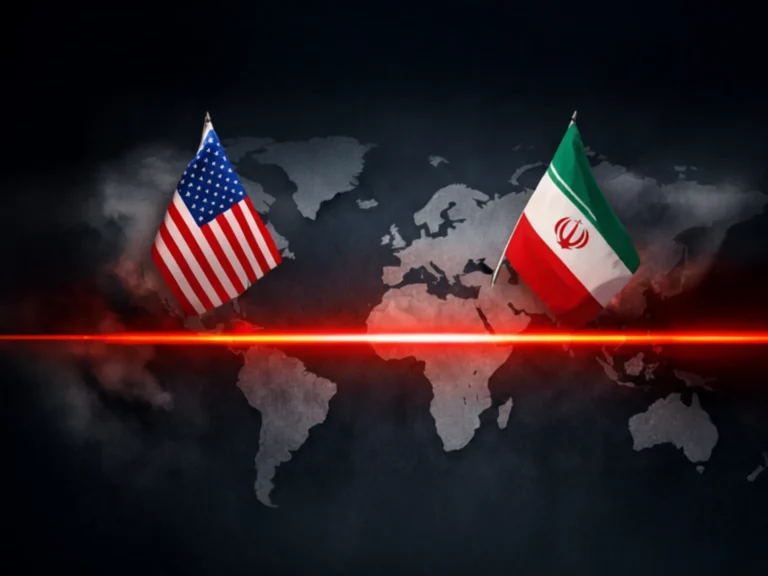
Tehran, Iran – The Tasnim News Agency, affiliated with Iran’s Islamic Revolutionary Guard Corps (IRGC), reported, citing informed sources, a “potential preliminary understanding” between Iran and the United States.
The agency clarified that this initial progress does not currently include any Iranian commitments regarding the nuclear issue. It also emphasized that Tehran has not yet accepted any measures in this area.
Features of the understanding and mechanism for lifting sanctions
According to the report, the core of the proposed understanding rests on a US commitment to suspend oil sanctions imposed on Iran during the negotiation period. This measure aims to enable Tehran to sell its oil on international markets without restrictions, as a confidence-building step between the two sides.
If the process moves forward, Tasnim News Agency indicated that a comprehensive “memorandum of understanding” will be announced, emphasizing the need to “end the war on all fronts, including Lebanon.”
The proposed agreement includes a commitment from Israel, as a US ally, to end all its military operations in Lebanese territory. This is part of the peace package.
Timeline roadmap
The proposed draft set out a precise timetable for implementing the commitments, allocating 30 days for implementing measures related to lifting the “naval blockade” and reopening the Strait of Hormuz. This would be followed by a 60-day period dedicated to in-depth negotiations on the nuclear issue.
Tehran’s conditions regarding frozen assets
The Islamic Republic, in its negotiating position, emphasized that any preliminary agreement remains contingent upon the immediate release of a portion of its frozen financial assets and a mechanism guaranteeing Tehran’s full access to these resources.
The agency explained that the United States had attempted in recent weeks to postpone this release until a final nuclear agreement is reached. However, Tehran vehemently rejected this, insisting on the release of the financial assets as a first step.
Tasnim News Agency indicated that discussions are currently focused on establishing a clear and reliable mechanism for releasing the remaining funds. Tehran issued an implicit warning to Washington, asserting that any further US obstruction of the release process would prompt Tehran to reconsider the course of negotiations and the future of any future agreements. These leaks come at a time of intense diplomatic activity in the region, led by regional actors seeking to de-escalate tensions. This places the future of this potential agreement under close international scrutiny, pending official confirmation from both sides regarding the next practical steps.