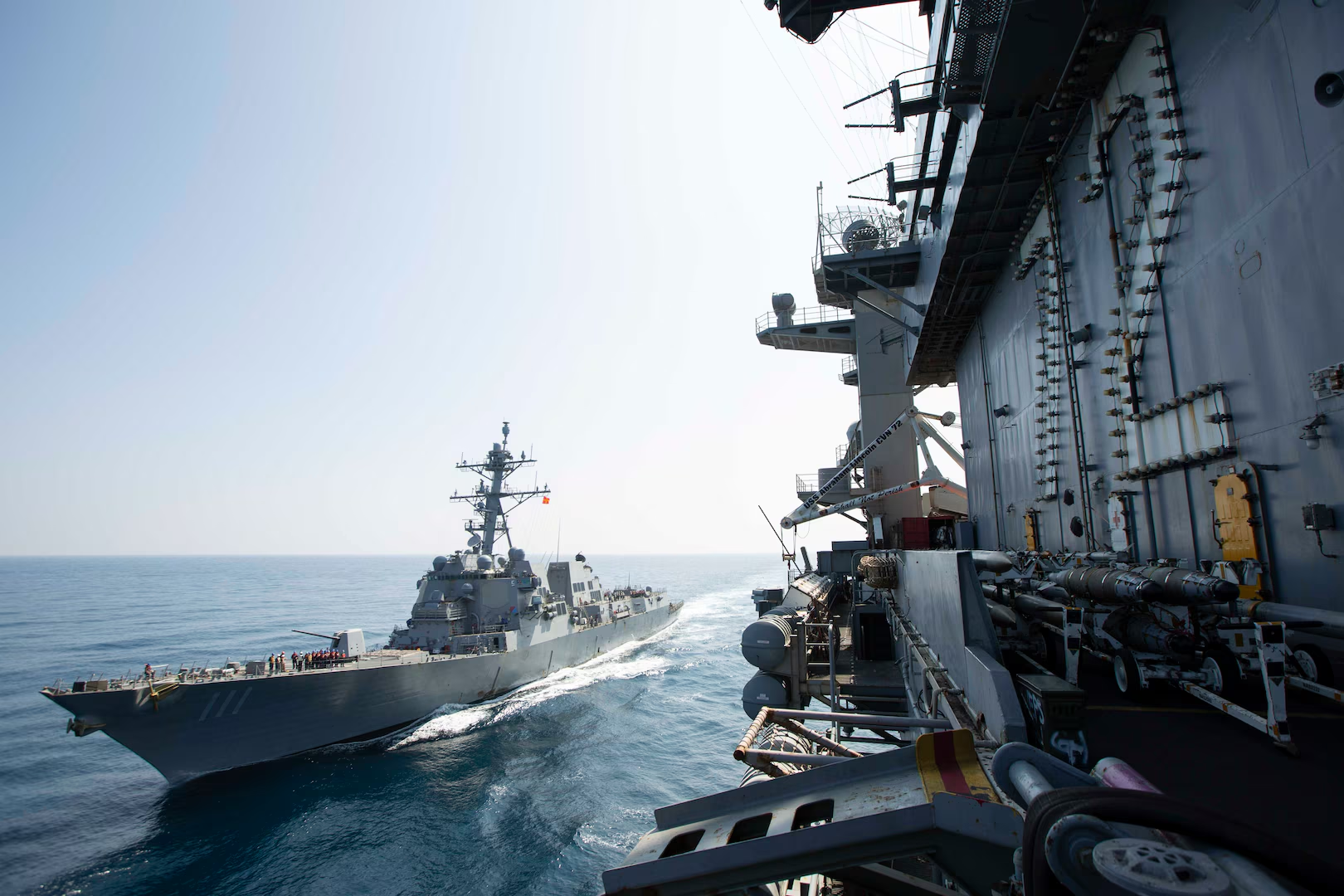
Islamabad, Pakistan – International hopes are rising for an end to the conflict that has raged since February between the United States and Iran. This follows what Pakistani-mediated negotiations described as “significant progress.” Pakistani Foreign Minister Ishaq Dar expressed cautious optimism on Sunday about the possibility of reaching a positive and lasting outcome that would end the military standoff.
Intensive diplomatic efforts
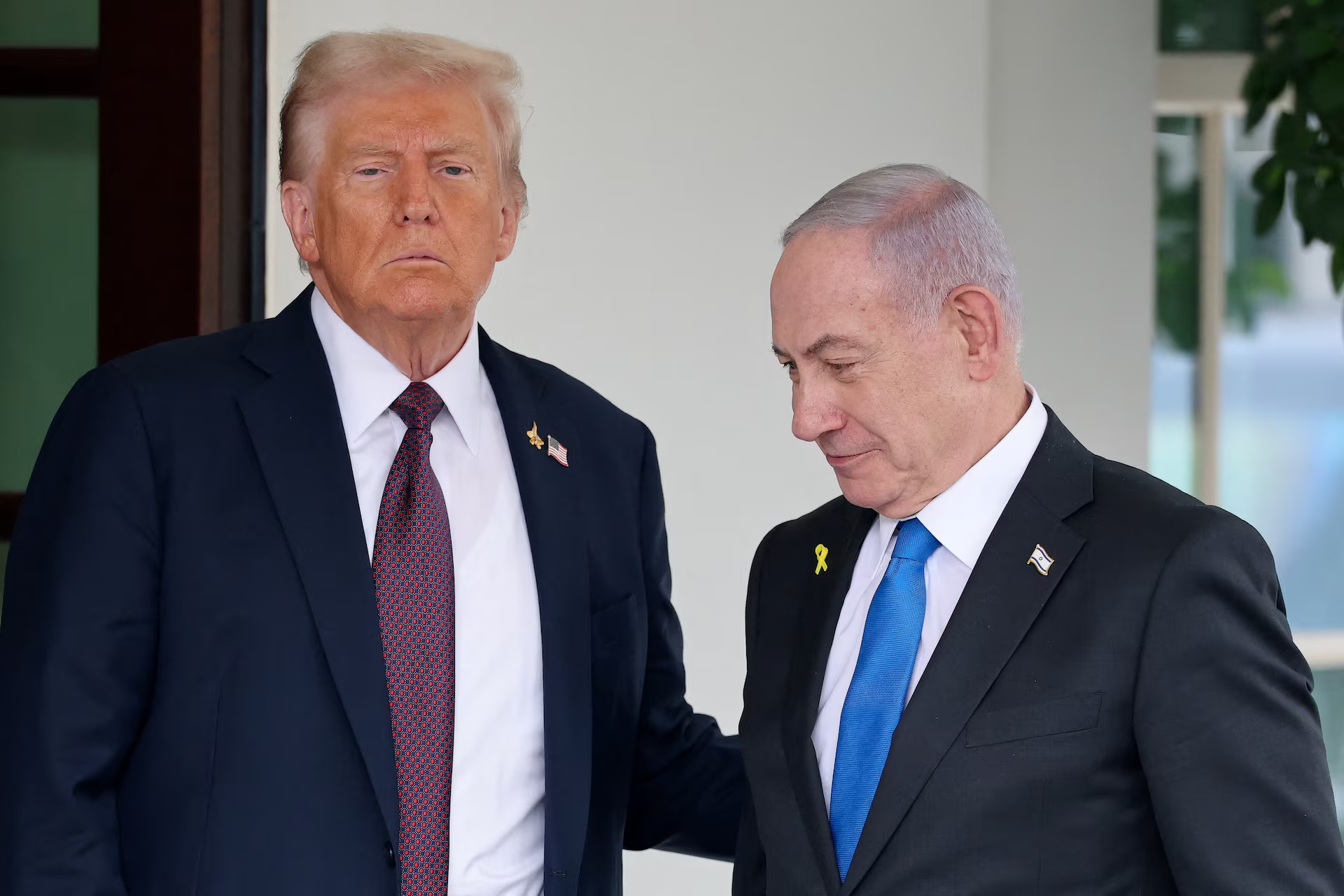
These developments coincide with Pakistani Prime Minister Shehbaz Sharif’s praise for US President Donald Trump’s “extraordinary efforts” to achieve peace. Sharif affirmed his country’s commitment to continuing talks, expressing hope that a decisive round of negotiations would be hosted soon, particularly following intensive meetings between Iranian officials and Pakistani Army Chief Asim Munir, who has played a mediating role in ending the war.
The Strait of Hormuz and the nuclear issue
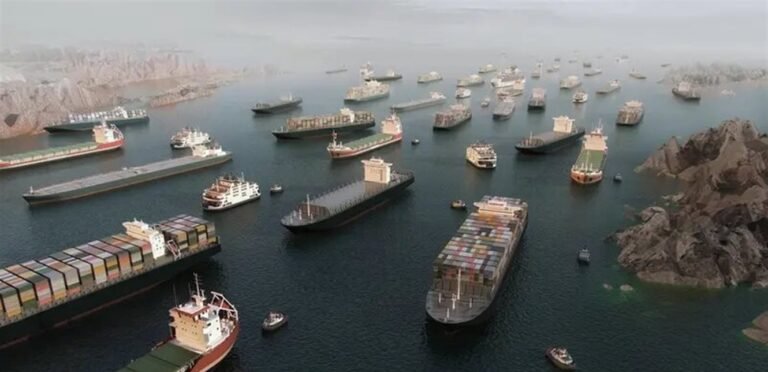
On the American side, President Trump announced that negotiations on a “comprehensive” memorandum of understanding had made significant progress. He asserted that the agreement would ensure the reopening of the Strait of Hormuz, the vital shipping lane whose closure had disrupted global energy markets. While Axios reported that the agreement might include lifting the blockade on Iranian ports and allowing Tehran to freely sell its oil in exchange for a 60-day ceasefire, the Iranian news agency Fars quickly denied Trump’s statements regarding the management of the strait, deeming them “inconsistent with reality.”
Details of the anticipated agreement
Media reports and informed sources have revealed a proposed framework comprising three phases: a formal end to the war, a resolution to the Strait of Hormuz crisis, and the commencement of 30 days of negotiations toward a broader agreement. The draft also includes explicit Iranian commitments not to pursue nuclear weapons, with a particular emphasis on a “clear commitment” to abandon highly enriched uranium—a demand confirmed by The New York Times, citing US officials.
Tehran, for its part, insists on its right to enrichment for civilian purposes and is currently working on drafting the terms of the memorandum of understanding. It is estimated that the talks may enter a more detailed phase after the Eid al-Adha holiday this coming Friday. This is happening amid global anticipation of the outcome of these diplomatic efforts to end one of the most complex conflicts in the region.