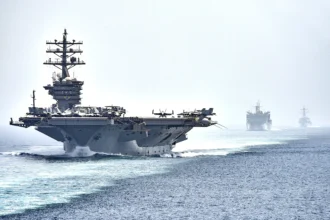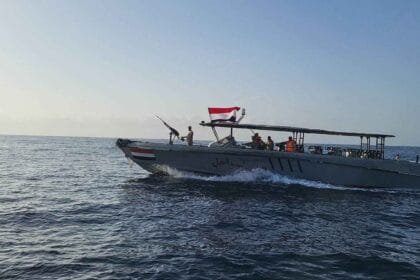

Washington, DC – Analyses regarding the possibility of renewed confrontation between Iran and the United States are growing in Western political and military circles, given the escalating regional tensions and the widening scope of friction across multiple fronts in the Middle East. This is particularly true in light of the ongoing incidents related to shipping in the Strait of Hormuz.
Research circles are proposing several scenarios for what might happen next. These scenarios range from limited, “surgical” strikes targeting specific military sites or interests, to a gradual slide toward a broader confrontation that could include direct exchanges of fire on a regional scale.
Observers believe the first option remains the most likely if the parties wish to de-escalate, as it allows for sending deterrent messages without engaging in open warfare. Conversely, the second scenario carries high risks that could drag the region into a prolonged state of instability, with direct repercussions for global energy markets.
It is estimated that the Strait of Hormuz remains the most sensitive point in any potential escalation, given its crucial role in oil exports. Therefore, any military action in its vicinity would exert direct pressure on the global economy.
Meanwhile, international diplomatic efforts are intensifying in an attempt to contain the situation. This comes amidst growing calls to avoid sliding into a full-blown confrontation that could have high political and economic costs for all parties involved.