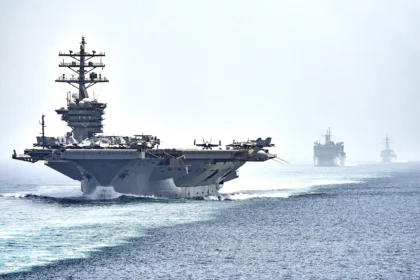
Washington, DC – Gasoline prices in the United States have surged to new highs, surpassing $4.50 per gallon. This development reflects growing concern in global markets about the potential disruption of oil supplies through the Strait of Hormuz, one of the world’s most vital energy chokepoints.
This price hike coincides with escalating geopolitical tensions in the region. As a result, investors have been hedging their bets, driving up oil futures prices. This has been quickly reflected in US fuel prices. Energy experts fear that any actual disruption to shipping in the strait could trigger an even greater wave of price increases, especially given the significant portion of global oil exports that depend on this crucial waterway.
For its part, the US administration is closely monitoring developments, amid mounting domestic pressure due to the impact of rising fuel prices on consumers. This impact is particularly pronounced with the approach of the summer travel season, which typically sees a surge in gasoline demand.
Analysts have noted that markets are experiencing a state of “precautionary pricing,” whereby worst-case scenarios are factored in. This drives up prices even before any actual disruptions occur. Should tensions persist or escalate, the United States could face a new wave of inflation, potentially fueled by rising energy and transportation costs.
In the same vein, Washington is exploring alternative options to secure supplies, including drawing from the Strategic Petroleum Reserve. This could also involve increased coordination with producing countries in an effort to contain the crisis’s repercussions and prevent its spread to broader economic sectors.