Berlin, Germany – In a move that has caused widespread confusion in diplomatic and military circles, Politico reported that a senior German official expressed his country’s profound surprise at US President Donald Trump’s recent tweet indicating Washington’s intention to review and reduce the size of its forces stationed in Germany.
This shock stems from the fact that the hint of withdrawal came after a round of bilateral talks that the German side described as “very constructive.”
Frustrating timing and contradictory conversations
The German official explained that Trump’s social media post came at a time when consultations with his American counterparts were proceeding in a positive and cooperative manner.
This discrepancy between the language of diplomatic dialogue behind closed doors and the president’s public pronouncements appears to have left Berlin apprehensive about the future of the historic defense partnership between the two countries.
The military and Congress are outside the realm of science.
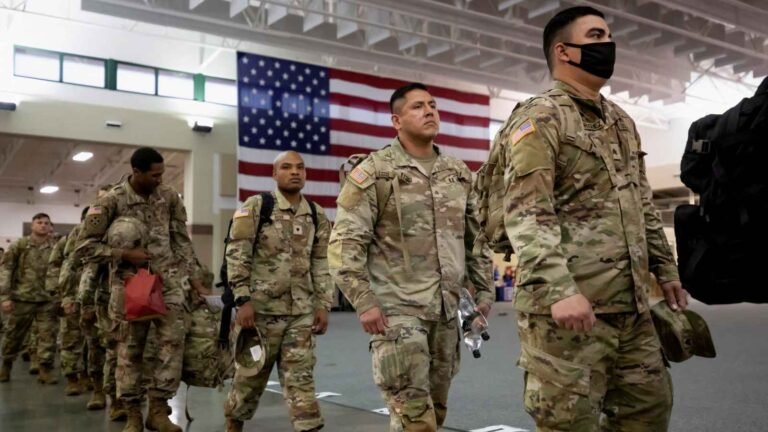
The surprise wasn’t limited to the German side; the report quoted three US defense officials as saying that Trump’s announcement was the first they had heard of a potential new effort to withdraw hundreds or thousands of troops from German soil. These officials confirmed that there were no prior official orders to prepare for such a large-scale move.
In a related development, a congressional aide familiar with the matter revealed that the Pentagon did not anticipate this decision and has not yet developed any concrete logistical plans for reducing troop levels.
Nevertheless, the aide stressed the need to take this threat seriously, saying, “We have to take this tweet seriously because Trump was serious about this during his first term,” a clear reference to his order in the summer of 2020 to withdraw 12,000 troops, an order whose implementation was subsequently stalled.
Context of the tension: The Iran-NATO file
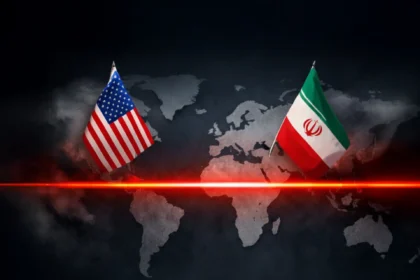
Observers link this threat to recent disagreements between Trump and German Chancellor Friedrich Merz regarding strategy in the Iran conflict. Merz criticized what he called the US’s “lack of a plan,” a point Trump met with a sharp rebuke.
It appears that the issue of US forces has once again become a tool for political pressure within NATO. This opens the door to a new phase of reassessment of the US military presence in Europe.