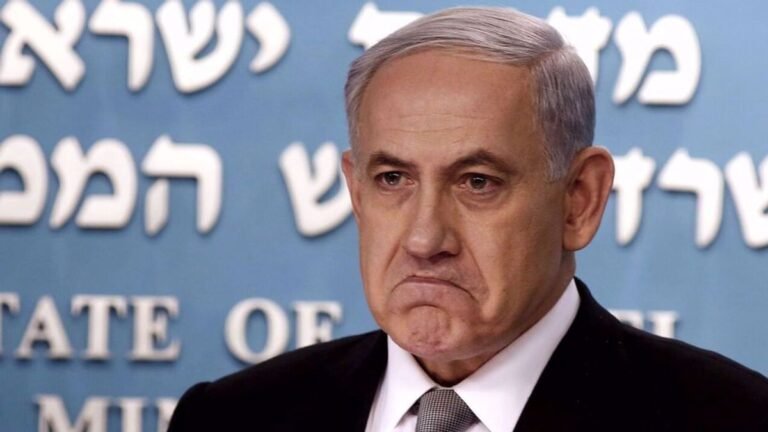
Tel Aviv, Israel – Attention within Israeli political circles is focused on the possibility of a pardon for Prime Minister Benjamin Netanyahu, following leaks and reports suggesting the prime minister is considering this option as part of complex political and legal arrangements. These arrangements could reshape the domestic landscape in the coming period.
This development comes as Netanyahu’s trial continues on charges of corruption, bribery, and breach of trust, cases that have cast a shadow over political life for years. The trial has also led to a sharp division within Israeli society between those who see it as politically motivated and those who view it as a true test of the rule of law.
According to observers, the proposal for an amnesty is inextricably linked to attempts by some parties to contain the political polarization, especially given the successive crises facing the government, both domestically and in security and regional matters. This is driving the search for compromises that reduce tensions.
Conversely, this approach faces strong opposition from political forces and legal figures who believe that issuing an amnesty at this time could send negative messages about the independence of the judiciary. It would also weaken public confidence in the judicial institutions and potentially set a controversial political precedent.
The debate surrounding the pardon also raises delicate legal questions concerning the extent of the Israeli president’s authority in such cases, and whether the pardon can encompass cases that have not yet been definitively resolved, or whether it requires specific conditions such as confession or a legal settlement.
Analysts believe these moves reflect the fluidity of the Israeli political landscape, where legal considerations intertwine with partisan balances. Simultaneously, various parties are attempting to reorganize their strategies in preparation for any future developments.
If this course of action continues, the repercussions of the decision will not be limited to Netanyahu’s fate alone. They will extend to impacting the future of political life in Israel and the level of trust in state institutions. It may even reshape the map of alliances and divisions within Israeli society in the coming period.