Washington, DC – The prospects for an agreement between the United States and Iran continue to face increasing obstacles. This comes amidst a charged atmosphere of mutual accusations and deep divergent positions. Western reports indicate that the hardline political rhetoric, particularly from US President Donald Trump, is a major factor complicating the situation and delaying any potential breakthrough.
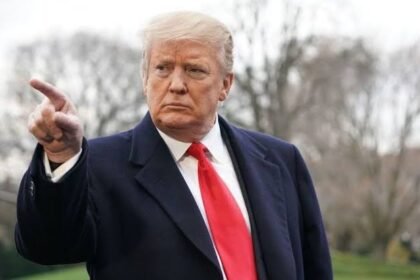
The British newspaper The Guardian noted that Trump’s condescending tone and harsh statements toward Iran are widening the trust gap. This is happening not only with Tehran but also with European allies. These allies are striving to maintain a balanced diplomatic approach that will contain tensions without escalating into open confrontation.
According to observers, these statements reflect a negotiating approach based on maximum pressure. Iran considers this policy ineffective, especially after past experiences that saw Washington withdraw from the nuclear agreement. This has made Tehran more intransigent in any new negotiations. Consequently, it has demanded clear guarantees to prevent a repeat of the same scenario.
Conversely, the US administration faces internal pressure as the elections approach. This makes any move toward an agreement with Iran fraught with delicate political calculations. There is a fear that adversaries will exploit it as an election ploy, especially given the internal divisions regarding the feasibility of returning to the nuclear agreement. There are also divisions regarding the drafting of a new agreement.
Regional developments also play a significant role in complicating the negotiations. Tensions have escalated in sensitive areas such as the Arabian Gulf and the Strait of Hormuz. Consequently, this adds a security dimension to the nuclear issue. It also makes any potential agreement contingent on a broader set of understandings. These understandings must extend beyond the nuclear aspect to encompass regional influence and Tehran’s behavior in the region.
Analysts believe that the lack of mutual trust, coupled with the escalating media and political rhetoric, represents the real obstacle to reviving the agreement. This is happening at a time when a more measured and flexible approach is increasingly needed. In this context, the approach must reopen channels of negotiation, moving away from provocative language. It is essential to prioritize shared interests over narrow calculations.