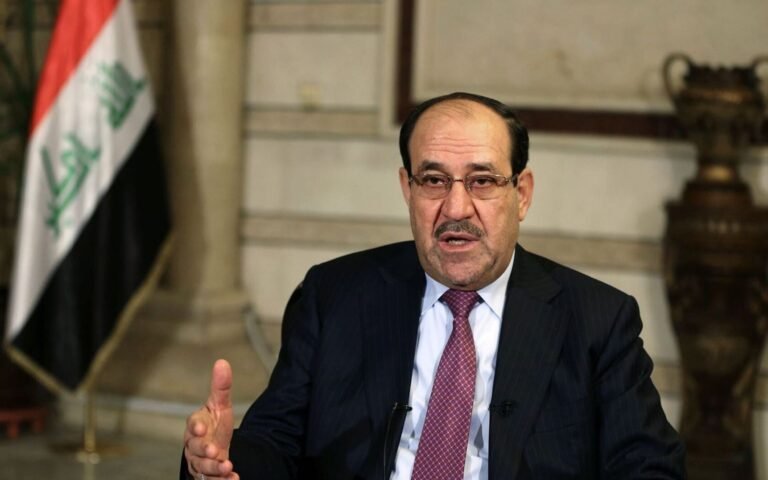
Baghdad, Iraq – Nouri al-Maliki, head of the State of Law Coalition, called on the Iraqi parliament on Wednesday to postpone passing the “mandatory military service” law. He argued that the idea is no longer compatible with the demands of the modern era and technological advancements in the military field.
Modern warfare and advanced technologies
In a post on the “X” platform, Maliki pointed out that the House of Representatives is discussing a proposal to reinstate mandatory military service at a time when “this idea is outdated.” He explained that military doctrine in modern warfare no longer prioritizes large numbers of soldiers and massive populations. Rather, it now relies primarily on drones, artificial intelligence, and advanced military technologies.
A financial burden with no real benefit
Al-Maliki warned that conscripting large numbers of young Iraqis would place a heavy financial burden on the state budget and incur exorbitant logistical costs, without any actual need for such numbers on the ground. He stressed that priority should be given to directing those financial resources toward improving the efficiency of existing army formations. He also called for building a high-quality, effective, and agile fighting force that prioritizes quality over quantity.
Parliamentary activity and political controversy
Al-Maliki’s stance coincides with legislative activity within the halls of parliament. Last Sunday, the council, chaired by Haibat al-Halbousi, completed the first reading of the proposed law. Al-Halbousi directed that representatives from the Ministries of Defense, Planning, and Finance be summoned. He also invited the Chief of Staff of the Army to discuss the technical and financial details.
It is worth noting that the issue of mandatory military service, abolished in 2003, is a source of sharp division within Iraqi political circles. While some see it as a means to strengthen national identity and combat unemployment, others fear the “militarization of society” and the imposition of unsustainable financial burdens on the state, given the urgent need for reconstruction and services. With al-Maliki’s objection, the law faces a new obstacle. This hurdle may prompt Parliament to reconsider the timing and feasibility of enacting it during the current session.