Washington, DC – Indirect negotiations between the United States and Iran are experiencing a tug-of-war. This comes amidst strenuous efforts by both sides to reach understandings on a number of outstanding issues, primarily the nuclear program and economic sanctions.
According to informed sources, the latest rounds of negotiations have made limited progress but have not yet resulted in a final agreement. This is due to ongoing disagreements over implementation mechanisms and guarantees of compliance, reflecting the complexity of the negotiating landscape between the two sides.
The main points of contention revolve around the scope of sanctions relief and the steps for a reciprocal return to nuclear commitments. In addition, Iran is demanding guarantees that would prevent any future US administration from withdrawing from any agreement reached.
Conversely, Washington seeks an agreement that limits Tehran’s nuclear capabilities while imposing strict monitoring mechanisms. This would ensure that the agreed-upon limits are not exceeded and would enhance regional stability.
Observers believe that the delay in reaching an agreement reflects complex political calculations on both sides, both domestically and in relation to regional and international alliances. This makes the negotiation process susceptible to fluctuations.
Nevertheless, communication channels remain open. Mediators have confirmed a shared desire to avoid escalation and work towards an interim agreement that could pave the way for broader understandings in the future.
This comes at a time of increasing international pressure to revive the diplomatic track, considered the best option for preventing further tension in the region. This, in turn, helps maintain the stability of energy markets and regional security.
Complex negotiations between Washington and Tehran: slow progress and no final agreement yet
America seeks an agreement with Iran for the sake of stability.

Medhat Elsheikh
Medhat El-Sheikh, editor-in-chief of the Voice of Emirates News Agency office in Cairo, is a seasoned Egyptian journalist with extensive experience both within Egypt and abroad....


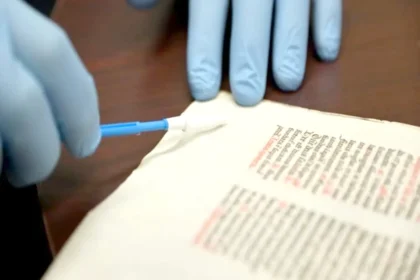
From the pages of history… scientists extract DNA from ancient manuscripts to uncover secrets of the past
Ancient manuscripts transformed from written sources into scientific records
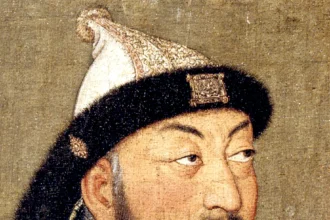
Möngke Khan: The Mongol ruler who reorganized Hulagu’s empire and paved the way for the fall of Baghdad
The Mongols redrawn the political and military balance of power in the…
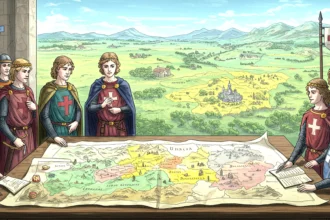
The Treaty of Verdun: The agreement that divided Charlemagne’s empire and paved the way for the birth of France and Germany
The treaty helped shape the political landscape of Western Europe

US escalation in the Gulf of Oman: Panamanian ship targeted while attempting to reach Iran
An attempt to break the US blockade imposed on Iranian…