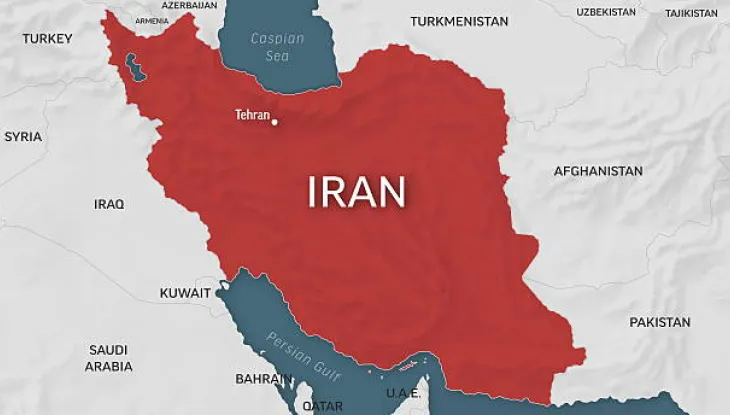
Tehran, Iran – Iranian decision-making circles are experiencing escalating divisions, amid what observers describe as a “war of narratives” between multiple centers of power. The interests of these centers intersect on sensitive issues related to foreign policy, the economy, and internal security.
Key institutions are prominent in this landscape, including the civilian government, the Revolutionary Guard, the Supreme Leader’s office, and the security apparatus. However, their approaches to issues such as relations with the West, the future of the nuclear agreement, and the management of regional crises differ.
Observers note that these divisions do not necessarily escalate into direct clashes, but they are reflected in conflicting statements and divergent signals emanating from officials. This creates a state of ambiguity in interpreting the Iranian position, both domestically and internationally.
These divisions are intensifying with mounting economic pressures, rising inflation rates, and the depreciation of the local currency. This presents decision-makers with difficult choices: either to open up to sanctions relief or to adhere to more hardline policies.
In contrast, Tehran is attempting to maintain a delicate balance between these trends by managing disagreements within institutional frameworks, thus preventing them from escalating into an open crisis. This is especially crucial given the sensitivity of the current regional and international climate.
Analysts believe that the “war of narratives” within Iran may reflect a deeper conflict regarding the shape of the next phase, both in terms of foreign policy and domestic governance. This, in turn, could affect the course of negotiations with international powers and the nature of Iran’s role in the region.
These interactions remain governed by several factors, including the balance of power within the regime, developments in the regional landscape, and the extent of international pressure. Consequently, the Iranian scene remains open to multiple scenarios, ranging from cautious de-escalation to increased intransigence.