Beirut, Lebanon – In a pivotal diplomatic move aimed at ending the armed conflict and consolidating stability, the Lebanese Presidency announced on Monday that President Joseph Aoun has appointed a high-level official delegation to handle bilateral negotiations with Israel.
The delegation will be headed by Simon Karam, the former Lebanese ambassador to the United States. He also possesses extensive diplomatic experience in dealing with complex regional and international issues.
Goals of negotiation and national sovereignty
The Lebanese presidency outlined clear strategic objectives for this delegation, primarily focused on an immediate and permanent cessation of all hostilities and serious efforts to end the Israeli occupation of Lebanese territory, ultimately aiming for the deployment of the Lebanese army and the extension of state sovereignty to the international borders. The presidential statement revealed active diplomatic efforts behind the scenes. It indicated that US President Donald Trump, during a phone call with the Lebanese leadership, expressed a deep understanding of Lebanon’s legitimate demands. He also affirmed his direct intervention to secure a ceasefire and facilitate the negotiation process.
The “10-day” agreement under scrutiny
This move comes after President Trump announced on April 16 that leaders in Lebanon and Israel had reached an agreement for a ten-day ceasefire. The agreement stipulates:
A cessation of military operations for 10 days, extendable with the agreement of both parties.
Israel retains the right to “self-defense” in the event of any imminent threat.
Lebanon is committed to taking strict measures to prevent any attacks from its territory against Israel.
Emphasizing that the Lebanese security forces are the sole and legitimate entity responsible for security on the borders.
Field tensions and ongoing warnings
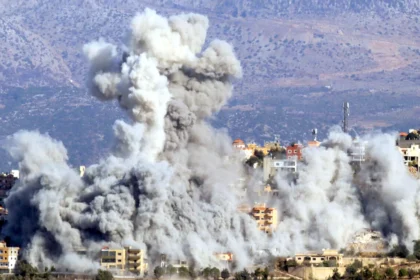
Despite this diplomatic breakthrough, the situation on the ground remains extremely tense. Earlier today, the Israeli army renewed its warnings to residents of dozens of villages in southern Lebanon, urging them not to return to their homes or approach the Litani River and its surrounding areas at this time. Observers believe that the selection of Simon Karam to head the Lebanese delegation reflects Beirut’s desire to ensure the success of the American mediation. They are also seeking security arrangements that guarantee the return of displaced persons and end the war. Ultimately, the outcome hinges on the results of the negotiations to be held under Washington’s direct auspices.