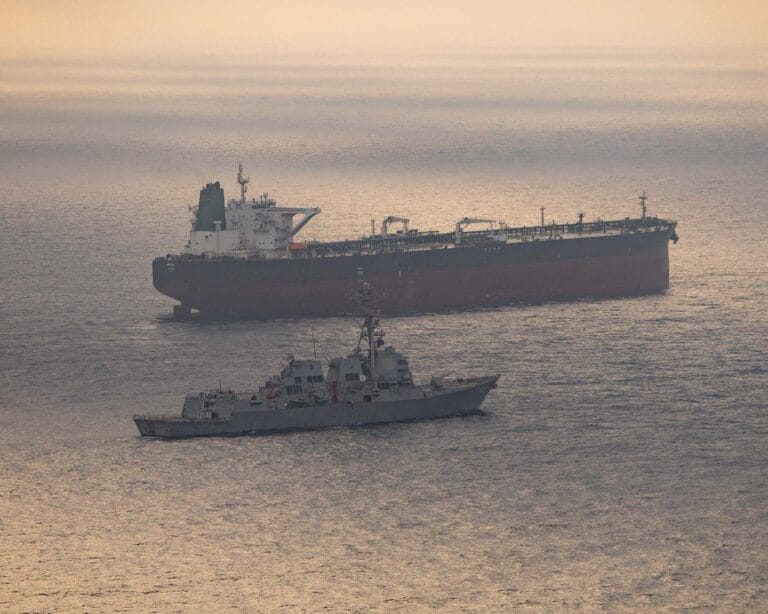
Washington, United States — United States Central Command (CENTCOM) announced expanded maritime interdictions involving the redirection of 70 commercial vessels, the disabling of three ships, and the inspection of two others. According to news reports cited by Breakingthenews.net, these operations form part of enforcement measures linked to the maritime blockade imposed on Iranian shipping routes in the Gulf and Arabian Sea.
Scope of CENTCOM Interdictions and Blockade Enforcement
According to official updates, US naval forces redirected non-compliant vessels identified as transiting to or from Iranian ports. As highlighted by Alsumaria TV, the figures demonstrate a progressive trajectory: CENTCOM previously reported diverting 55 vessels as of August 9, 64 on August 17, and 68 earlier in the week before reaching 70 commercial vessels.
In addition, US forces have deployed guided-missile destroyers and maritime aviation assets to conduct physical boardings, verify cargo compliance, and disable ships that refuse to comply with blockade orders. Defense officials noted that persistent naval patrols will continue maintaining strict maritime oversight across the waterway.
Shipping Disruptions and Economic Risks in the Strait of Hormuz
The escalation in naval enforcement coincides with severe operational disruptions throughout the Strait of Hormuz, a key maritime passage for global oil and liquefied natural gas shipments. International commercial shippers and maritime insurers face growing concerns over heightened security risks, operational delays, and rising insurance costs.
Ultimately, the increasing number of redirected and inspected vessels underscores Washington’s strict enforcement of maritime restrictions on Iran. Long-term stability for commercial navigation in the Gulf remains heavily dependent on regional security dynamics and diplomatic developments.