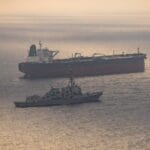
Washington, United States — United States Central Command (CENTCOM) announced that US naval forces have redirected 70 commercial vessels, disabled three ships, and boarded two others as part of ongoing operations to enforce a maritime blockade against Iran. The military operations aim to restrict non-compliant shipping routes and ensure compliance across key transit corridors in the Gulf region.
Escalation of Interdictions and Enforcement Operations
According to CENTCOM updates reported by Anadolu Agency, interdictions have progressively increased over recent weeks. Official data reflects a steady trajectory: US forces previously reported altering the course of 55 vessels as of August 9, a figure that climbed to 64 by August 17 before reaching 70 commercial ships in the latest briefing.
Furthermore, CENTCOM forces are actively intercepting vessels bound for or departing from Iranian ports without authorization. Tactical measures include deploying maritime strike helicopters, conducting physical onboard inspections, and disabling non-compliant commercial craft to preserve blockade integrity across international waters.
Economic Impact and Disruptions in the Strait of Hormuz
The surge in US naval enforcement measures comes amid growing friction surrounding navigation through the Strait of Hormuz, one of the world’s most critical transit passages for global crude oil and liquefied natural gas supplies. Consequently, commercial shipping lines and maritime insurance agencies report heightened concerns over security risks, lengthened transit times, and escalating war-risk premiums.
Ultimately, the expanding count of diverted and inspected ships highlights Washington’s sustained naval presence in the region. Long-term commercial shipping stability in the Gulf remains closely tied to diplomatic developments and security conditions along the Strait of Hormuz.