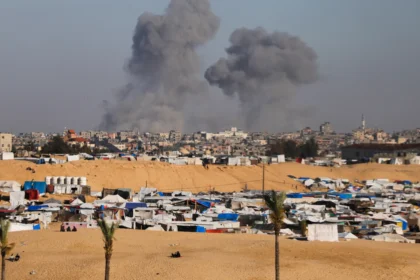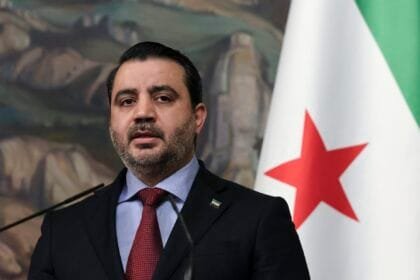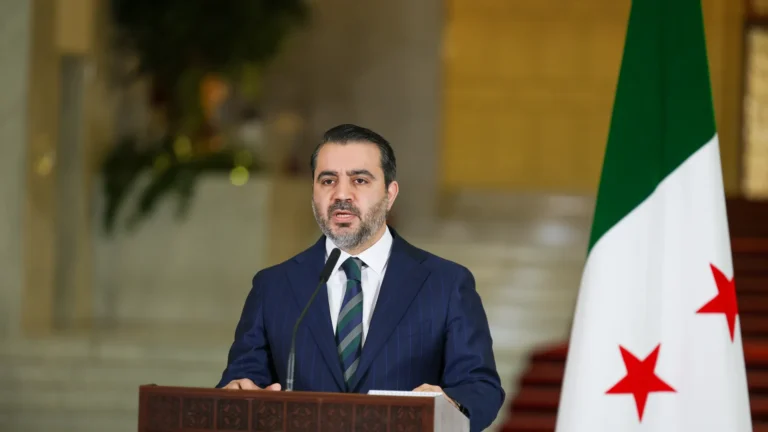
Amman, Jordan — Syrian Foreign Minister Asaad al-Shaibani and Israeli Mossad Director Roman Gofman held a security meeting in Jordan aimed at de-escalating mounting tensions between Syria and Israel. According to reporting published by Axios and highlighted by Kurdistan24, the discussions follow an Israeli airstrike targeting the Abu al-Duhur military airbase in northwestern Syria. Furthermore, international diplomatic channels are actively working to prevent localized security disputes from broadening into a wider regional confrontation.
Security Talks in Jordan and Regional Military Concerns
The high-level meeting focused on mitigating the aftermath of the airstrike and addressing Israeli apprehensions regarding Syrian-Turkish military cooperation. In addition, reporting by L’Orient Today noted that the encounter builds upon a previous phone conversation between Shaibani and Gofman held on August 14. Consequently, Syrian representatives reiterated that Damascus has no intention of permitting a permanent Turkish military presence at the facility.
Meanwhile, the Israeli Prime Minister’s office declined to comment on the talks, while official Syrian media has not formally confirmed the encounter. Therefore, US diplomats are maintaining steady pressure on all parties to prevent operational friction near border zones. As a result, mediators emphasize the necessity of maintaining backchannel communication to ensure mutual stability.
De-escalation Framework and US Mediation Efforts
This diplomatic engagement aligns with Syrian expectations regarding a potential resumption of formal security negotiations despite low baseline trust between the parties. Consequently, Damascus maintains that any lasting security arrangement must include an Israeli withdrawal from Syrian territory and a halt to military strikes. At the same time, Washington is pushing to establish a trilateral deconfliction mechanism involving Syria, Israel, and Turkey.
Ultimately, the meeting between Shaibani and Gofman in Amman underscores the reliance on direct security dialogue to manage sensitive border dynamics. In conclusion, finalizing enforceable coordination protocols remains the primary pathway toward preventing future military incidents in the region.