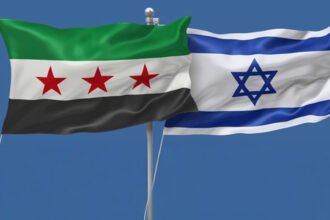
Baku, Azerbaijan — Azerbaijan is conducting active backchannel diplomacy to ease mounting tensions between Israel and Turkey sparked by recent military operations in Syria. According to regional analysis published by Middle East Eye, Baku officials are increasingly concerned that escalating disputes between two key strategic allies could jeopardize regional stability. Furthermore, Azerbaijani diplomatic efforts run parallel to American initiatives aimed at averting direct military friction.
Azerbaijan Mediation Between Israel and Turkey and Coordination Channels
Diplomatic sources indicate that Azerbaijani President Ilham Aliyev previously initiated direct talks between Ankara and Tel Aviv to establish operational coordination mechanisms in Syria. In addition, detailed reporting by Daily Sabah reveals that current mediation focuses on restoring communication channels to prevent mid-air miscalculations. Consequently, Baku is using its unique leverage as a trusted mediator to prevent localized disputes from turning into broader conflicts.
Meanwhile, Washington’s de-escalation push faces friction due to mistrust between Israeli officials and US Special Envoy Tom Barrack. Therefore, mediation pathways have grown complex following Barrack’s public statements questioning the intelligence backing recent strikes. As a result, intelligence analysis provided by Milliyet English underscores the necessity of strict protocol adherence along Syria’s airspace.
Impact of Abu al-Duhur Airstrikes and Regional Security
The recent Israeli strike targeting the Abu al-Duhur military airfield in eastern Idlib intensified political and military friction between Israel and Turkey. Consequently, US diplomats warned that uncoordinated aerial maneuvers near border areas create severe operational risks. At the same time, international observers emphasize the importance of maintaining open dialogue to safeguard regional security.
Ultimately, regional actors remain hopeful that Baku’s intervention will de-escalate political rhetoric and operational risks. In conclusion, reactivating structured security coordination remains the primary line of defense against direct military friction in Syria.