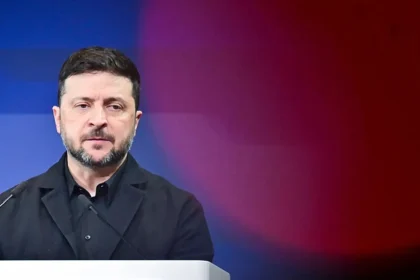
Kyiv, Ukraine — Ukrainian President Volodymyr Zelenskyy warned that holding elections during the ongoing war with Russia could risk destroying the state and triggering severe societal division. According to reporting published by BSS News, Zelenskyy’s firm stance came in response to a proposal from dismissed Defense Minister Mykhailo Fedorov urging a wartime vote. Furthermore, the president emphasized that the government’s primary mandate remains defending sovereignty and ending the conflict.
Risks of Holding Wartime Elections and Legal Constraints
Zelenskyy characterized the prospect of conducting a national vote amid active hostilities as a political “tsunami” capable of tearing the nation apart. In addition, official coverage from Anadolu Agency highlighted that Ukrainian law explicitly prohibits elections under martial law. Consequently, logistical hurdles—such as millions of displaced citizens living abroad and soldiers deployed on frontline trenches—render nationwide balloting virtually impossible.
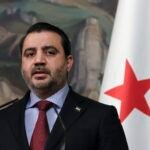
Meanwhile, the political discussion gained momentum following public statements by Fedorov, a former key ally whose dismissal stirred public debate. Therefore, news analysis provided by Asharq News notes that wartime elections could divert vital attention and resources away from defense efforts. As a result, civic leaders continue prioritizing national security over campaign politics.
Public Opinion Trends and Future Political Horizon
Recent polling by the Kyiv International Institute of Sociology demonstrates that 57% of Ukrainians favor postponing elections until fighting concludes. Consequently, public sentiment aligns with official executive strategy regarding wartime governance. At the same time, regional reporting emphasizes that diplomatic planning remains focused on achieving a durable settlement.
Ultimately, executive leadership remains committed to maintaining internal cohesion while fending off external threats. In conclusion, Ukrainian officials maintain that formal democratic contests will resume only once security conditions permit full, safe participation across the country.