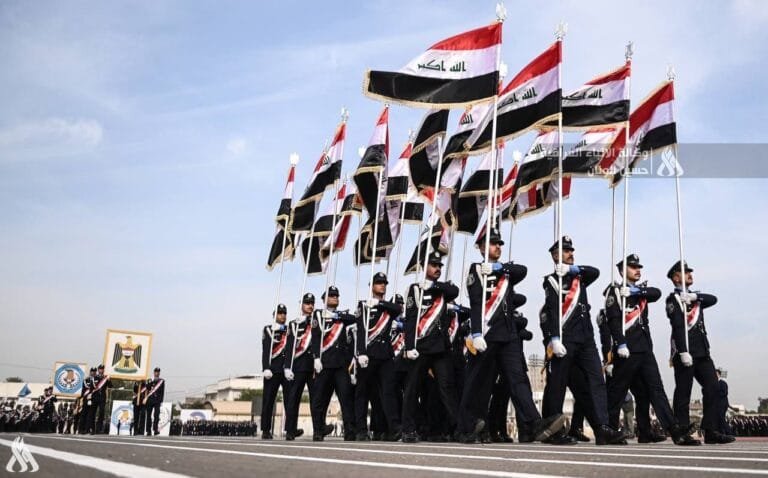
Baghdad, Iraq – The commander of the Iraqi police forces emphasized the importance of raising combat readiness levels, stressing the need to enhance the capabilities of security units. He also emphasized the continued development of field performance to meet the challenges facing the country. During field directives, he stressed the importance of maintaining the highest levels of discipline and vigilance. He further noted the importance of raising the level of preparedness to respond swiftly to any emerging security developments, while emphasizing the necessity of adhering to approved plans and instructions.
These directives come as part of the Iraqi Ministry of Interior’s efforts to enhance security and improve the efficiency of its forces. This is achieved through developing operational capabilities and improving response times to potential threats and risks. The leadership emphasized the importance of continuous training and raising the professional and combat readiness of security personnel. This is considered a fundamental pillar for strengthening the forces’ ability to carry out their duties and protect citizens and vital infrastructure.
The importance of strengthening coordination and information sharing among the various security formations was also emphasized. Furthermore, the need to leverage technological and intelligence capabilities to monitor and address threats before they escalate into security risks was highlighted. These measures reflect the Iraqi security establishment’s commitment to maintaining a high level of readiness, particularly given the challenges facing the region and the rapidly changing regional security landscape.
Iraqi police forces continue to implement their security plans and reinforce their deployment in vital areas. This is being done in parallel with measures aimed at improving performance, raising the efficiency of personnel, and enhancing emergency response capabilities. The leadership emphasizes that raising readiness is not solely about preparing for security operations. Rather, it is part of a comprehensive system designed to protect citizens, maintain security and stability, and support state institutions in carrying out their duties.