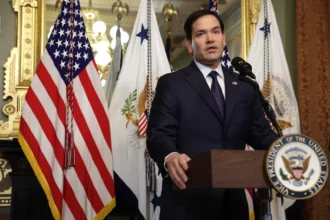

Washington, DC – US House Speaker Mike Johnson predicted that an end to the war with Iran and a return to stability in the region would ease pressure on energy markets. This could be reflected in lower oil and gasoline prices in the United States. Johnson explained that disruptions to shipping in the Middle East, particularly concerns regarding the Strait of Hormuz, are a major factor driving up energy prices. This is due to the vital importance of this shipping lane in transporting oil and gas supplies to global markets.
He noted that a return to normal shipping and transport through the Strait of Hormuz, coupled with a de-escalation of military tensions, could help reduce the risk premium added to crude oil prices. This, in turn, could lower fuel costs for American consumers. Johnson’s remarks come amid continued anxiety in global markets about the future of energy supplies. Investors are closely watching for any political or military developments that could affect oil production or the movement of crude oil tankers in the region. Americans are also watching closely to see how these external developments will impact gasoline prices at the pump, especially since any sustained rise in crude oil prices increases transportation and production costs and puts further pressure on household budgets.
Observers believe that a return to more stable oil prices will depend not only on the cessation of military operations, but also on the swift resumption of halted production, the stability of shipping traffic, and the guarantee of continued supply to global markets. Energy markets remain highly sensitive to developments in the conflict. Prices are expected to experience significant fluctuations in the coming period until the outlines of a political settlement become clearer. The future of trade and oil supplies in the Middle East will also become clearer.