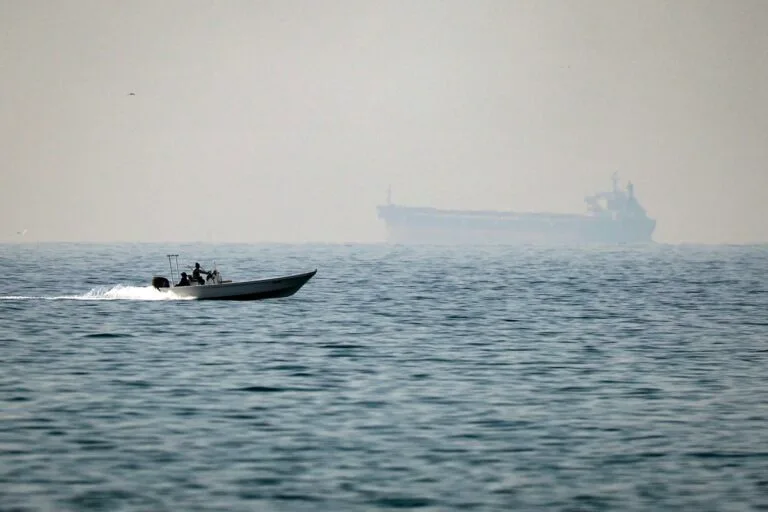
London, Britain – Shipping data reported by Reuters revealed a sharp decline in traffic through the Strait of Hormuz, with fewer than ten vessels transiting daily over the weekend. This reflects escalating security concerns that have cast a shadow over one of the world’s most important oil and gas shipping lanes.
The data showed that commercial vessel and tanker traffic fell to unusually low levels, with several shipping companies either avoiding the strait or postponing their voyages amid ongoing security tensions in the region and heightened risks to navigational safety.
London, Britain – Shipping data reported by Reuters revealed a sharp decline in traffic through the Strait of Hormuz, with fewer than ten vessels transiting daily over the weekend. This reflects escalating security concerns that have cast a shadow over one of the world’s most important oil and gas shipping lanes.
The data showed that commercial vessel and tanker traffic fell to unusually low levels, with several shipping companies either avoiding the strait or postponing their voyages amid ongoing security tensions in the region and heightened risks to navigational safety.
The Strait of Hormuz is a vital artery for global trade, through which a significant portion of crude oil and liquefied natural gas exports from the Gulf states pass to international markets. This makes any disruption to shipping traffic a major concern for global energy markets.
Observers believe that a continued decline in the number of transiting vessels could impact shipping costs and marine insurance rates, and could further pressure oil markets if security tensions persist in the coming days. Meanwhile, international powers are closely monitoring developments to ensure freedom of navigation in this strategic waterway.