Health authorities in the Democratic Republic of Congo have announced that the total number of confirmed Ebola cases has risen to nearly 3,000. This follows a thorough audit and cross-referencing of data from the worst-affected provinces in the east of the country.
Updating the tally and auditing the records
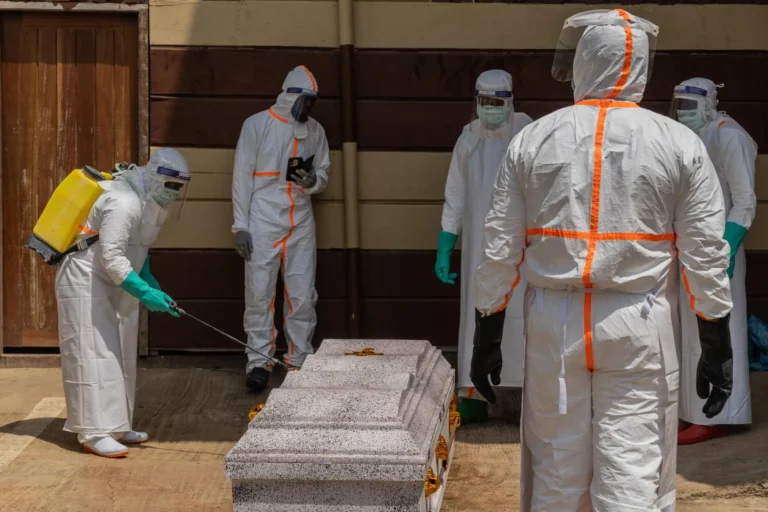
The daily report issued by the Congolese Institute of Public Health showed that the total number of confirmed cases of the virus reached 2,905, including 1,269 deaths.
Authorities explained that the addition of over 300 new cases to the official tally resulted from the reconciliation and updating of records received from Ituri and North Kivu provinces. These records were also cross-referenced with the national database. They emphasized that this surge in numbers reflects improved documentation and field monitoring. However, it does not necessarily indicate a new acceleration in transmission rates in recent days.
The Bundibugyo strain and international concerns
For its part, the World Health Organization warned that the true scale of the outbreak could be two to four times larger than the officially reported figures. This comes amid security challenges, difficulty accessing some remote areas, and ongoing delays in reporting.
The health situation is further complicated by the fact that the current outbreak (the seventeenth in the country’s history), officially declared in mid-May, is caused by the rare Bundibugyo strain. This strain is characterized by a mortality rate of up to 40%. Furthermore, there is currently no approved vaccine or treatment available. Consequently, this presents field containment efforts with an extremely challenging humanitarian and medical test.
The surge in Ebola cases in Congo highlights the importance of addressing structural gaps in health tracking and documentation systems; strengthening epidemiological capabilities and overcoming logistical and security obstacles are essential to containing rare strains and preventing the escalation of regional health crises.