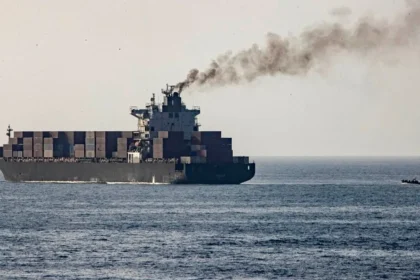
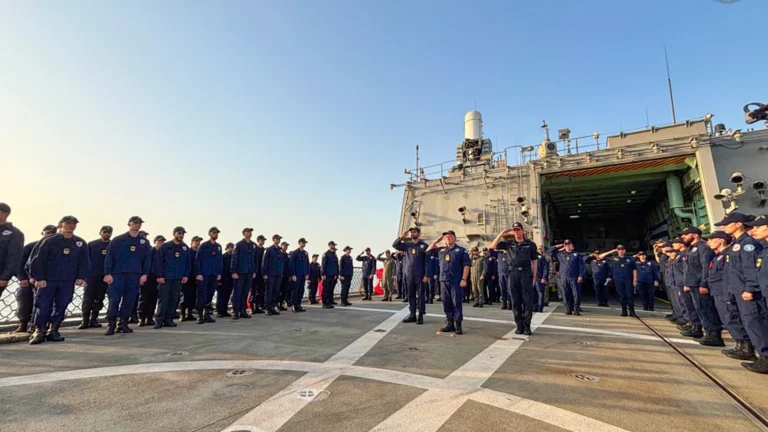
Djibouti – The European Union has strengthened its security and defense presence in the Red Sea region by signing a new strategic agreement with the government of Djibouti to support and facilitate the operations of the “Aspides” maritime mission. This tactical step comes as international and regional concerns escalate over imminent threats targeting global shipping lines through the Bab el-Mandeb strait, one of the world’s most critical trading chokepoints, amid widespread warnings of catastrophic repercussions on global supply chains.
European Pact to Solidify Maritime Security
The capital city of Djibouti witnessed the signing of the Status of Forces Agreement for Operation Aspides by the EU High Representative for Foreign Affairs and Security Policy, Kaja Kallas, and the Djiboutian government. This took place during an inspection visit conducted by the European official to the headquarters of the EU’s Aspides and Atalanta missions, which are tasked with vessel protection and anti-piracy efforts. Kallas emphasized that maritime security faces unprecedented pressures and challenges, noting that ongoing geopolitical tensions necessitate a stronger security partnership with Djibouti, which serves as a pivotal partner in securing highly sensitive waterways.
Real Threats Looming Over Bab el-Mandeb
This intensified European push coincides with intelligence reports warning that the Houthi group might attempt a total closure of the Bab el-Mandeb strait if Iranian infrastructure is subjected to US military strikes, a scenario that could paralyze a vital artery of global commerce. The strait accommodates between 10% and 15% of global maritime trade, including substantial volumes of oil and gas imports bound for European markets. Any closure would inflict immediate economic damage by forcing commercial vessels to divert around the Cape of Good Hope, lengthening transit times between Asia and Europe by up to three weeks and inflating shipping costs by billions of dollars.
Safeguarding Global Supply Chains
Reviewing field achievements, Kaja Kallas explained that the Aspides mission, officially launched in February 2024, has successfully secured the transit of more than 670 commercial vessels and rescued 128 sailors from attacks, while Operation Atalanta continues its counter-piracy role in the western Indian Ocean. The EU official stressed that maintaining the flow of shipping in the Red Sea is not merely a regional interest but a direct shield for the global economy. Any disruption would cast a heavy shadow over supply chains and drive up commodity prices, negatively impacting businesses and households within Europe and across the globe alike.