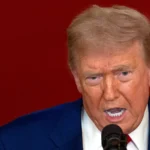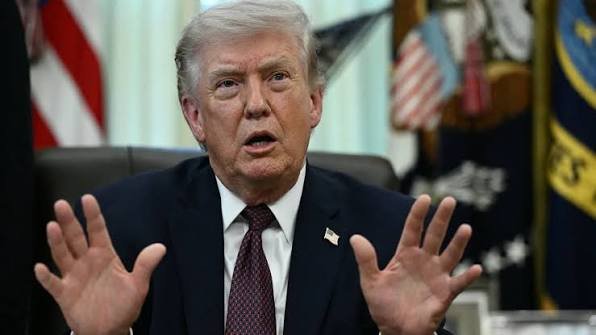
US President Donald Trump has affirmed that the possibility of reaching a diplomatic agreement with Iran remains on the table. He expressed his belief that ongoing political efforts could ultimately lead to a mutual understanding between the two sides to resolve outstanding issues and prevent an all-out confrontation. These unexpected remarks come at a time when the region is witnessing rapid developments on the ground that put the security of the Middle East at stake.
A Diplomatic Window Amidst Field Escalation
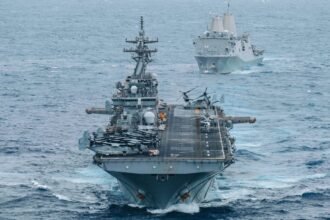
The US President’s signal toward peaceful solutions coincides with an unprecedented military escalation characterized by mutual strikes and sharp political exchanges between Washington and Tehran. Observers believe that Trump’s hint at genuine negotiating opportunities represents an attempt to keep backchannel communications open, giving both sides room for political maneuvering to avoid an open-war scenario that threatens global interests.
Opening Channels of Dialogue for De-escalation
This vision reflects a US desire to explore the Iranian leadership’s willingness to make concessions that ensure the stability of vital waterways and the safety of US forces stationed in the region. Hopes are rising that these positive signals from the White House will stimulate regional and international mediation efforts aimed at opening direct or indirect dialogue channels to discuss thorny disputes and reduce military readiness.
International Anticipation of Iran’s Response
The international community is currently awaiting Tehran’s official response to these statements and how they might reflect on operational behavior in the Arabian Gulf and the Strait of Hormuz. International relations experts emphasize that the success of any future negotiating path depends primarily on building mutual trust-building measures, starting with an immediate halt to military escalation and offensive operations to create an atmosphere conducive to sustainable peace.