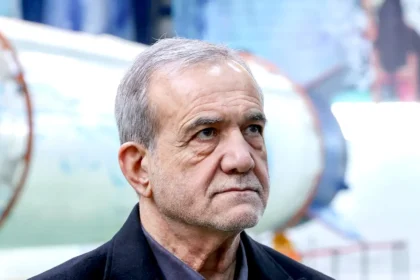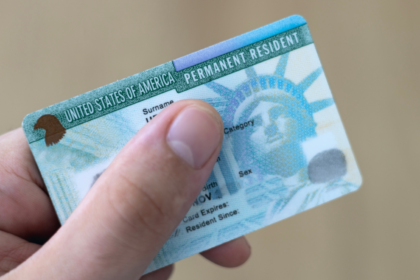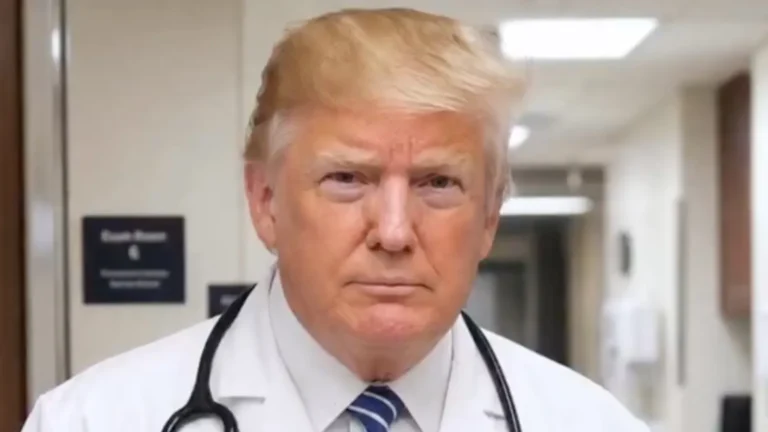
Washington, United States – US President Donald Trump sparked a wide wave of controversy on social media platforms after publishing pictures. He claimed that they show real scenes from inside the White House, but they were actually generated using artificial intelligence technologies. This opened a new door for discussion about the risks of using these advanced tools in the political arena and their direct impact on shaping public opinion.
Wide Circulation and Experts Warnings
Thousands of users widely circulated these images across internet networks before it clearly emerged that some do not represent real scenes at all. In this context, digital media experts warned through news agencies against the increasing use of artificial content in political campaigns. This is especially true given the immense ability of these technologies to convince and mislead the recipient if their nature is not clarified transparently and explicitly.
Mixed Reactions Between Supporters and Opponents
These images provoked mixed reactions in political and media circles inside and outside the United States. Trump’s supporters considered them an innovative propaganda tool reflecting the evolution in digital campaigns. Meanwhile, his critics argued that they could dangerously contribute to misleading the public and weakening trust in the content circulated online, especially given the rapid spread of AI-generated photos and videos.
Calls to Regulate Artificial Content
This controversy comes at a time when calls are increasing within the United States to establish more rigorous and firm controls. This aims to regulate the use of advanced artificial intelligence technologies in electoral campaigns and targeted political advertisements. This is accompanied by repeated demands for major technology companies to clearly and explicitly label artificial content to prevent direct confusion between real and fake materials.
New Challenges Facing Media Outlets
Technology specialists believe that the rapid and successive development in artificial intelligence tools has made detecting fabricated images much more difficult. This naturally imposes new and complex challenges on media outlets, social media platforms, and regulatory bodies. These entities are striving to limit the spread of misleading information while simultaneously preserving the fundamental principles of freedom of expression.