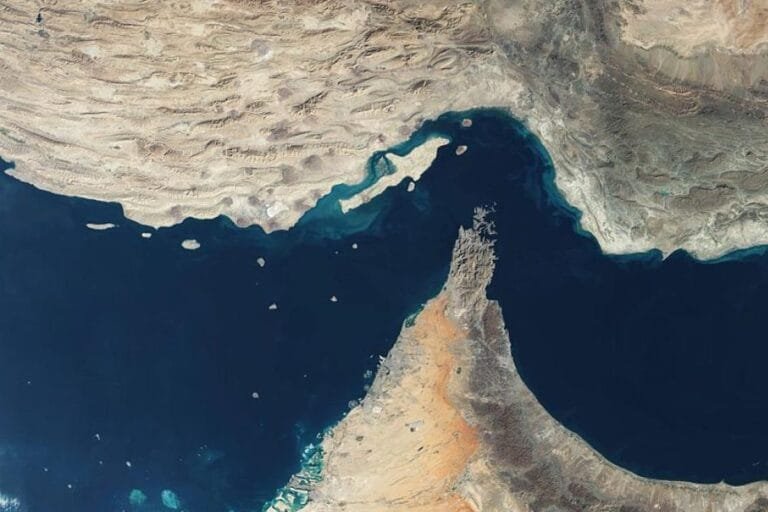
London, UK — Reports confirm that Strait of Hormuz ship traffic dropped by 90% compared to pre-conflict levels. The United Kingdom Maritime Trade Operations revealed this sharp decline due to ongoing regional security risks. Consequently, major shipping lines are redirecting vessels away from this critical energy corridor.
According to official data, only 18 ships exited the Gulf while 21 entered since February 28. These figures represent merely 4% of normal historical maritime activity.
Automated Identification System tracking indicates a sustained reduction in vessel transits. Operators continue avoiding key lanes because Strait of Hormuz ship traffic faces unacceptably high security risks.
The Omani Route and Incident Statistics
Maritime authorities highlighted that the Omani passage inside the strait poses the highest danger. That specific lane accounted for 14 out of 16 recorded incidents between July 6 and August 6.
Concentrated attacks force shipping firms to evaluate alternative routing options for crew safety. These operational shifts disrupt traditional transit schedules and reduce overall Strait of Hormuz ship traffic.
Furthermore, total reported incidents reached 74 from the start of the year through August 6. This rise underlines the mounting hazards confronting commercial shipping lines operating nearby.
Impact on Global Supply Chains and Energy Markets
These security challenges impose heavy financial and logistical burdens on international maritime commerce. Carriers must choose longer, more expensive detours to bypass high-risk marine zones.
The Strait of Hormuz remains a vital artery for global crude oil and liquefied natural gas transportation. Therefore, a prolonged drop in Strait of Hormuz ship traffic threatens to elevate shipping costs and strain global supply chains.
Global energy markets remain sensitive to security developments across regional waterways. Restoring standard shipping operations depends heavily on stabilizing the surrounding maritime environment.