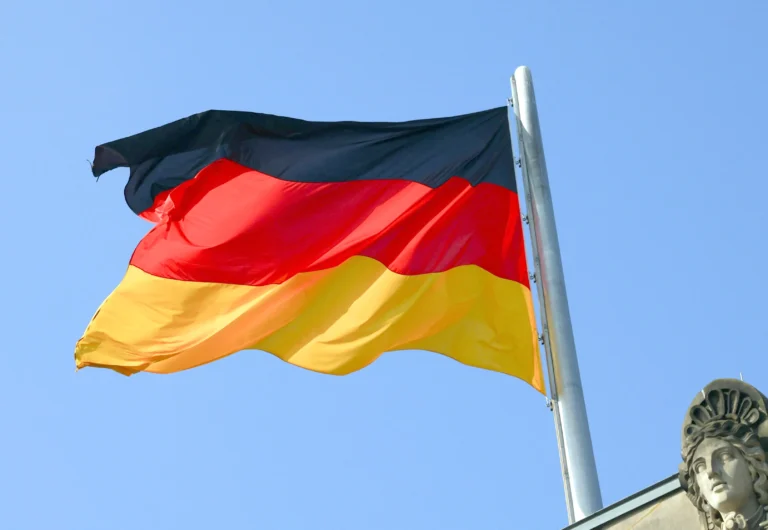
Berlin, Germany – The German government has announced the allocation of a massive new funding package worth 250 million euros to support various countries across Africa and Asia. This urgent step aims to help these nations confront the severe economic and humanitarian repercussions resulting from the escalating tensions in the Strait of Hormuz region. These disruptions have led to significant confusion in global trade movements and international energy markets.
Alleviating Burdens on the Most Affected Groups
News agencies indicated that Berlin confirmed this financial aid targets enhancing the ability of developing nations to deal with the sharp and sudden rise in fuel and basic commodity prices. The plan includes intensively supporting food and energy security programs to ensure the stability of local markets. Furthermore, a portion of the funding will be directed towards implementing humanitarian and developmental projects that help alleviate the crisis negative impacts on the population.
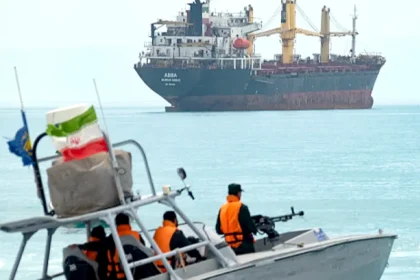
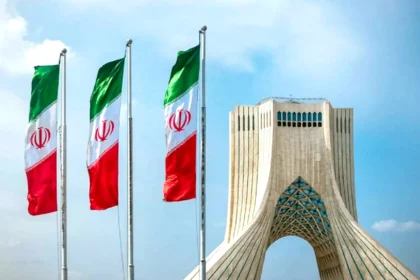
German governmental authorities explained that the disruption of maritime navigation in the Strait of Hormuz, one of the world’s most critical corridors for oil and gas transport, has directly impacted shipping costs. This situation has disrupted global supply chains, causing increasing economic pressures on numerous countries that rely heavily on meeting their needs through external imports.
European Efforts to Enhance Global Stability
This crucial German announcement comes within the framework of broader European efforts aimed at containing the indirect effects of ongoing geopolitical tensions in the Middle East. These tensions have cast a dark shadow over international trade and global energy markets quite noticeably. Successive developments have also raised serious concerns about a potential slowdown in global economic growth if this state of instability persists for an extended period.
Many economic analysts believe that this initiative reflects a European strategic trend towards providing necessary support to the most fragile states facing successive global crises. This move gains double importance given the continuing challenges associated with ensuring energy security and the unprecedented rise in maritime transport costs. This approach contributes to strengthening international cooperation frameworks to limit the humanitarian repercussions of regional crises.