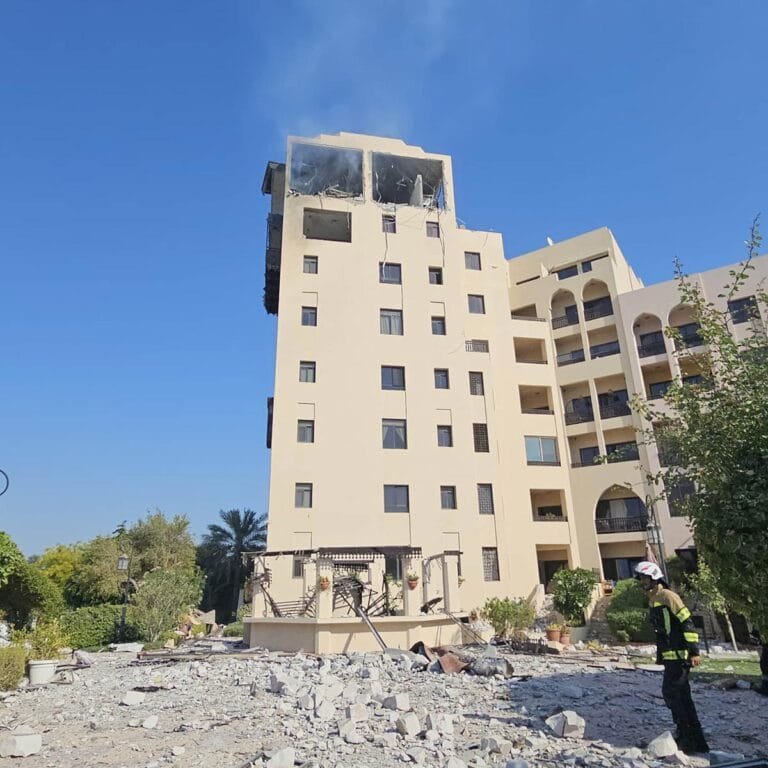
Cairo, Egypt – In light of the dangerous developments unfolding in the Arabian Gulf region, the Arab Republic of Egypt, in a statement issued by its Ministry of Foreign Affairs this morning, Sunday, strongly condemned the Iranian attacks targeting the sisterly states of Kuwait and Bahrain with missiles and drones. Egypt affirmed that these operations constitute a blatant violation of the sovereignty of both countries and a direct threat to their security and stability. Furthermore, it deemed them an unacceptable escalation that undermines regional and international efforts aimed at consolidating de-escalation.
Egyptian solidarity and calls for peace
The Egyptian statement reiterated its full solidarity with Kuwait and Bahrain, affirming Cairo’s complete support for all measures taken by the two countries to preserve their national security.
Egypt stressed the necessity of adhering to the negotiating track and supporting serious efforts to de-escalate tensions. It also called for resorting to dialogue and peaceful means to resolve disputes, thereby ensuring the strengthening of security and stability in a vital region that significantly impacts global peace.
The interim agreement collapsed and the conflict resumed.
This condemnation comes at a time when the Gulf is witnessing a new wave of tit-for-tat attacks between the United States and Iran. This is occurring amidst an exchange of accusations of violating the “interim agreement,” signed just over two weeks ago, which was intended to end a four-month-long war.
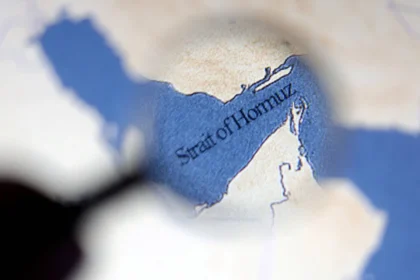
Early Sunday morning saw Iran launch a barrage of missile and drone attacks targeting US military sites in Kuwait and Bahrain. This came in response to warnings from US President Donald Trump, who threatened to “finish the job militarily.” These developments followed the US military’s announcement of attacks against Iranian targets in retaliation for an attack on an oil tanker in the Strait of Hormuz. This vital waterway, crucial for global energy transport, has been virtually closed since the conflict erupted on February 28.
Failure of diplomatic efforts
It is worth noting that the 14-point interim agreement aimed to halt the fighting and reopen the Strait of Hormuz to international shipping. This was intended to pave the way for deeper negotiations on Iran’s nuclear program.
Despite the talks led by US Vice President J.D. Vance and Iranian Parliament Speaker Mohammad Bagher Ghalibaf in Switzerland a week prior, and Washington’s lifting of some sanctions on Tehran, the situation on the ground quickly deteriorated.
With renewed clashes and exchanges of accusations, international fears are mounting that the region could slide into a full-blown confrontation that threatens global energy security and the future of regional stability. This is occurring amidst stalled diplomatic efforts and the absence of any clear prospect for de-escalation.