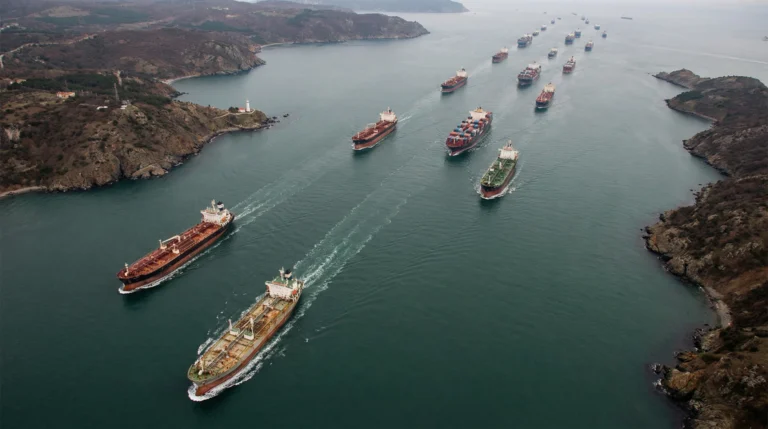
Strait of Hormuz, Arabian Gulf – An oil tanker arriving from the Arabian Gulf crossed the Strait of Hormuz bound for the Netherlands. Consequently, this is the first shipment to Europe via this route since March. Moreover, the international community is monitoring navigation in this strategic corridor closely. As a result, analysts view this crossing as a sign of returning oil supply flows. Thus, the energy sector breathes a sigh of relief with improved international shipping.
Strategic Importance of the Strait of Hormuz in Energy Trade
The Strait of Hormuz is an indispensable vital point for global energy trade. Accordingly, many nations rely on this corridor to secure their needs for crude and petroleum products. In addition, a large portion of global energy supplies passes through this strait. Conversely, shipping companies continue to monitor security developments in the region. Therefore, securing maritime corridors remains a top priority to ensure global market stability.
Implications of Resumed Shipping via the Strait of Hormuz
The tanker’s crossing signals a shift in supply movement after a long period of slowdown. On the other hand, details regarding cargo volume or the owner of the tanker are not yet clear. Consequently, eyes remain fixed on the continued flow of upcoming shipments. Ultimately, this move confirms the vitality of the Strait of Hormuz as an artery for importing economies. Accordingly, this step boosts expectations for a recovery in oil transport between the Gulf and European markets.