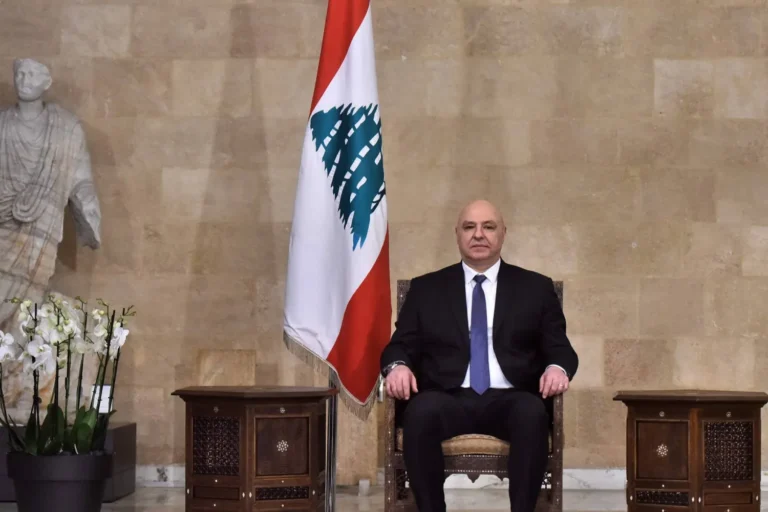
Beirut, Lebanon – Lebanese President Joseph Aoun announced on Thursday significant developments in the diplomatic negotiations aimed at ending the military escalation on the southern border. He also confirmed that a ceasefire agreement with Israel is imminent and could take effect within 24 hours, pending final approval from all parties involved.
A final chance for stability
In statements to local media, President Aoun stressed that the current agreement represents a “last chance” to restore calm, warning of the consequences of its failure.
He said, “The agreement we have reached is the last chance; otherwise, each party must bear its historical responsibility for the consequences of the continued conflict.” Aoun explained that this agreement will be “sustainable” and fundamental. Furthermore, its structure and terms differ from the ceasefire agreement concluded in November 2014.
Experimental Zone and International Guarantees
Regarding the field arrangements, the Lebanese president revealed that the Lebanese side proposed starting with a “pilot zone” to ensure the implementation mechanisms. The initial phase includes Beaufort Castle (Qalaat al-Shaqif) and the towns of Zawtar al-Gharbiyah and Zawtar al-Sharqiyah.
He emphasized that these steps are part of the effort to guarantee stability and prevent any future recurrence of clashes.
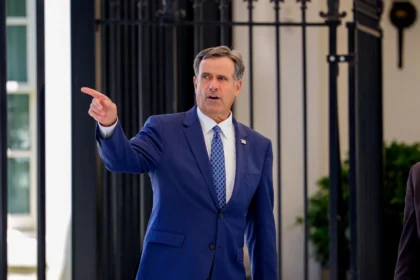
Aoun indicated that he has been conducting intensive consultations since the early hours of the morning with relevant international and regional powers, particularly the United States, praising the “firm” and assertive American role in these negotiations.
He affirmed that Lebanon is awaiting final responses and written guarantees that ensure all parties’ commitment to the terms of the agreement.
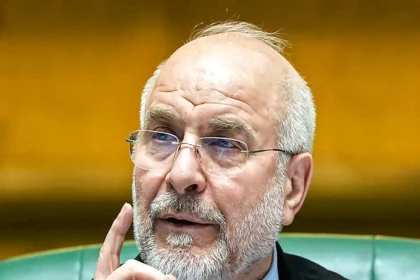
He also noted that he had informed the US administration that he had received assurances from the Speaker of the Lebanese Parliament. These assurances confirm Hezbollah’s commitment to a comprehensive ceasefire, provided that the Israeli side reciprocates.
The complexities of the field and political negotiations
These developments come amid a complex political and military landscape. While the fourth round of negotiations continues in Washington under US auspices, these moves coincide with Israeli threats to launch operations in Beirut. At the same time, signals have emerged from US President Donald Trump regarding high-level coordination with Tel Aviv on the Lebanese issue.
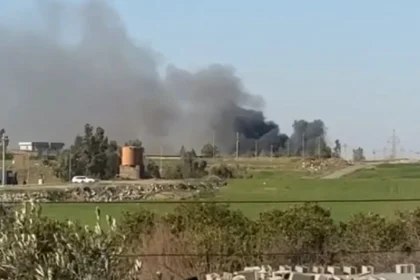
In a related development, the situation on the ground continues to present challenges. The United Nations Interim Force in Lebanon (UNIFIL) announced the death of one soldier and the injury of two others as a result of shelling that targeted their position near Marjayoun in southeastern Lebanon.
This incident underscores the fragility of the security situation and the urgent need to solidify the ceasefire. Furthermore, the Lebanese people and political authorities are awaiting the outcome of crucial diplomatic efforts in the coming hours. All hope for an end to this prolonged period of tension and the establishment of lasting stability on the southern border, which has witnessed an unprecedented escalation.