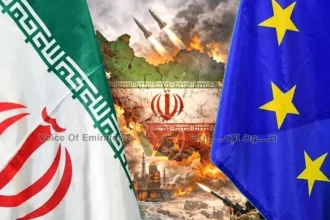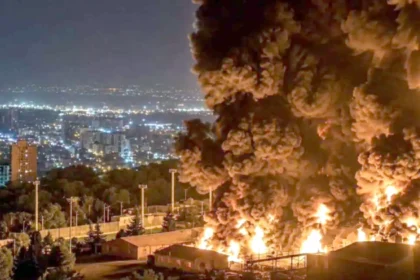
Tehran, Iran – The Strait of Hormuz has once again become a focal point of regional tensions as a key strategic bargaining chip amid escalating military and political tensions in the Middle East.
Iran periodically hints at its potential use of this vital location as a deterrent against Western pressure.
Meanwhile, international concerns are growing about any disruption that could affect global trade and energy supplies.
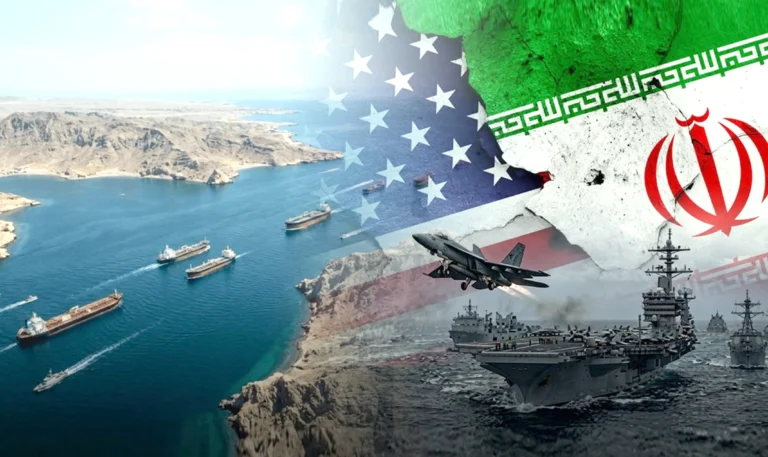
The Strait of Hormuz is one of the world’s most important maritime chokepoints,
through which a significant portion of oil and gas exports from the Gulf states pass to global markets.
For this reason, it is a vital artery for the international economy.
Any security tension there would quickly impact energy prices and global financial markets.
Messages to Western Powers
Analysts believe that Tehran understands the geopolitical and economic importance of the Strait of Hormuz,
and therefore uses it as leverage during times of crisis,
whether through political statements, military maneuvers, or by bolstering its naval presence.
This is an attempt to send a message to Western powers that continued
pressure will have economic costs extending beyond the region.
In contrast, the United States and Western countries repeatedly affirm
their commitment to ensuring freedom of navigation in international waterways.
Their naval forces are strengthening their presence
in the Gulf in coordination with a number of allies.
Their aim is to prevent any threat that could disrupt the movement of commercial vessels or oil tankers.
Sharp rise in oil and gas prices
Economists warn that any escalation involving the Strait of Hormuz could lead to a sharp rise in oil and gas prices,
as well as increased shipping and marine insurance costs.
This, in turn, could impact inflation rates and global supply chains,
especially given the vulnerability of the international economy to geopolitical crises.
With tensions between Iran and the West persisting, the Strait of Hormuz
remains one of the most sensitive issues in the region.
Military considerations intersect with global economic interests there,
making it a crucial factor in the balance of power and a key tool for exerting pressure in any regional or international confrontation.