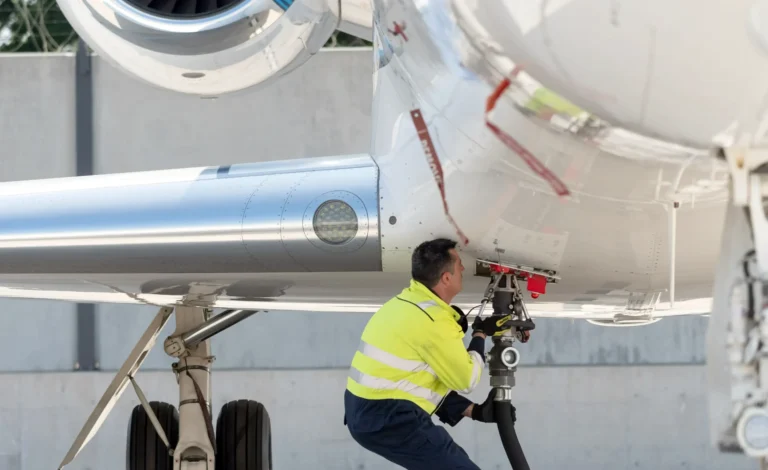
Moscow, Russia – The Russian government has decided to extend its ban on jet fuel (kerosene) exports until November 30. This move aims to bolster supplies within the domestic market, amid continued pressure on the energy sector and fluctuating production levels at some refineries.
Providing fuel for the aviation and domestic transport sector
Officials explained that the decision is part of a policy aimed at ensuring a stable fuel supply for the aviation and domestic transport sectors.
The decision also prioritizes meeting increasing domestic demand, particularly during periods of higher energy consumption.
According to official data, the ban includes domestically produced jet fuel intended for export.
However, the ban allows for limited exceptions related to government agreements or shipments
that had already departed for ports or customs storage areas before its implementation.
Reorganizing energy exports
Energy market experts believe the decision reflects Moscow’s desire to protect the stability of its domestic market.
It also aims to mitigate the risk of any potential supply shortages, particularly in the aviation sector, in the coming period.
This measure is expected to impact some foreign markets that rely partially on Russian fuel imports,
especially several Asian and Eastern European countries with indirect supply contracts.
The decision is part of a series of measures Russia has recently taken to restructure its energy exports.
These measures aim to balance domestic needs with external obligations.