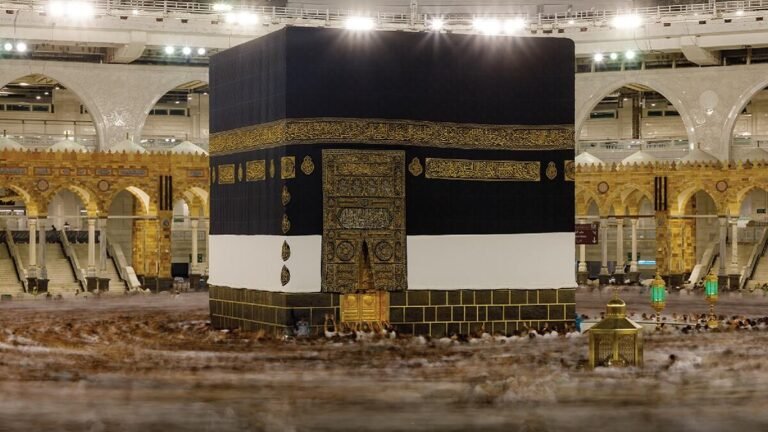
Jeddah, Saudi Arabia – The Organisation of Islamic Cooperation (OIC) praised the monumental success achieved by the Kingdom of Saudi Arabia in organizing the Hajj season. They valued the continuous efforts exerted by various Saudi authorities to serve the guests of Allah. These authorities also provided the highest standards of care, security, and safety for pilgrims arriving from across the Islamic world. The OIC emphasized that the season’s achievements reflect the Kingdom’s immense organizational capabilities and accumulated expertise in crowd management and serving millions of pilgrims. Moreover, they noted that Saudi Arabia succeeded in fostering a safe and integrated environment. This enabled pilgrims to perform their rituals smoothly and in a tranquil spiritual atmosphere.
Advanced Operational Plans and Smart Systems
The organization lauded the operational, health, and security plans executed during the Hajj season. These included infrastructure development and the deployment of modern technologies and smart systems to facilitate pilgrim movement and service management. In addition, proactive medical and relief efforts contributed to preserving the well-being of pilgrims throughout the rituals. Furthermore, the OIC highly commended the seamless coordination among various Saudi institutions and sectors. They considered the season’s success a testament to the Saudi leadership’s commitment to serving the Two Holy Mosques. The OIC also highlighted their commitment to caring for pilgrims as a major religious and humanitarian responsibility.
Bolstering Islamic Solidarity and Sustainable Development
The statement noted that Saudi Arabia’s efforts helped enhance solidarity and cooperation among Islamic nations by offering premium services to pilgrims. They also streamlined their arrival and transportation. This reflects the Kingdom’s steadfast focus on developing the Hajj ecosystem year after year. This international praise comes at a time when Saudi Arabia continues to execute massive expansion and service projects in Makkah, Madinah, and the Holy Sites. These projects are aimed at upgrading service efficiency and enriching the experience of pilgrims and Umrah performers. All of this aligns with annually increasing numbers of visitors.