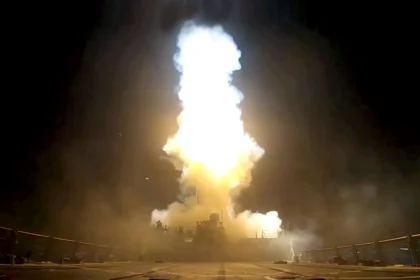
Beirut, Lebanon – Lebanese health authorities announced that the death toll from the ongoing aggression on the country since last March has risen to 3,355 martyrs and 10,095 injured. The update comes amid continuous airstrikes and attacks targeting multiple regions. This has generated stark warnings of an unprecedented deterioration in the humanitarian and health sectors. Official reports indicated that casualty figures surged over recent days due to the intensification of military operations and bombardment across several border areas and residential towns. As a result, there were more civilian casualties alongside widespread destruction of infrastructure and vital utilities.
Mounting Pressure on a Struggling Health Sector
Lebanese health officials confirmed that hospitals and medical centers are facing mounting pressure with the continuous influx of wounded individuals, particularly in the southern regions. Meanwhile, health institutions are already suffering from a acute shortage of medicines and medical supplies due to the ongoing economic hardships gripping the nation. Reports also highlighted that thousands of families have been forced to flee their homes as a result of the military escalation. Additionally, rescue teams and civil defense units persist in their grueling efforts to retrieve victims from beneath the rubble and deliver urgent humanitarian aid to those affected.
International Warnings of a Humanitarian Disaster
In the same context, international and humanitarian organizations urged an immediate end to the military escalation and called for the creation of safe corridors to facilitate the delivery of logistical humanitarian and medical relief. They warned that the continuation of military operations at this pace could trigger a broader humanitarian catastrophe across Lebanon and the wider region. At the same time, the Lebanese borders have witnessed non-stop friction for months, sparking regional and international anxieties over a wider conflict. Such a conflict could deeply impact stability in the Middle East, amid repeated calls to contain the crisis through political and diplomatic channels.