Minsk, Belarus – Belarus has asserted that resorting to the use of nuclear weapons will only occur if the nation faces direct external aggression threatening its security and sovereignty. Furthermore, Minsk underscored that the state’s defensive doctrine is fundamentally built on deterrence and preserving stability. It is not based on escalation or initiating nuclear force. Belarusian officials clarified that possessing strategic deterrence capabilities is vital to ensuring national security amid mounting frictions along the country’s borders. In addition, they emphasized that Minsk is closely tracking military movements across Europe. Furthermore, developments linked to the Ukrainian crisis and the military expansion of NATO are monitored closely.
Strict Parameters Tied to Direct Existential Threats
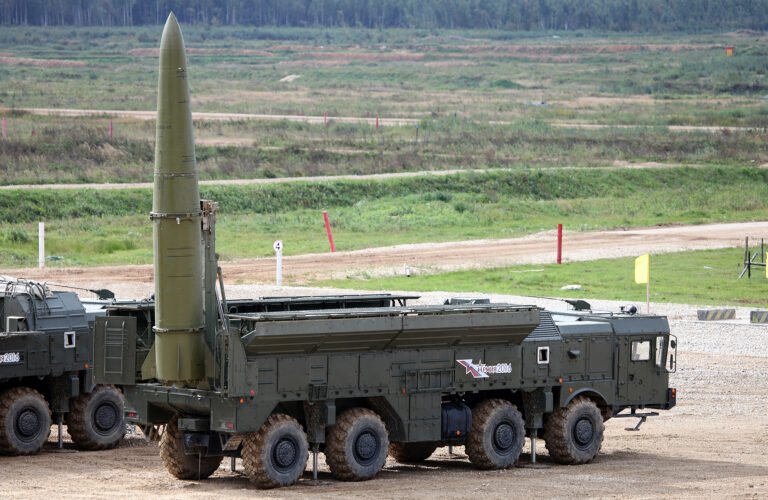
The Belarusian side indicated that any decision regarding the deployment of nuclear weapons remains subject to strict defensive parameters. These parameters are directly linked to the presence of a real and imminent threat to the state. Officials noted that Belarus does not seek confrontation with any faction. However, it reserves its absolute right to safeguard its territories and national interests. These remarks unfold amid escalating global anxieties over the widening rift between Russia and the West. This is particularly true following steps taken to station Russian tactical nuclear weapons inside Belarusian territory. That move triggered Western criticism and warnings over heightened military collision risks on the European continent.
Defensive Coalition with Moscow and Western Pressure
Conversely, Minsk emphasizes that its military cooperation with Moscow falls under joint defense agreements. These agreements are designed to bolster deterrence and preempt potential threats. The government considers that Western pressures and the economic and political sanctions imposed on Belarus have accelerated political and security volatility in the region.
Persistent Global Polarization and Escalation Concerns
Observers believe that the Belarusian statements mirror the persistent state of global polarization linked to the ongoing war in Ukraine. This comes at a time when international calls are mounting to defuse tensions and avoid any unilateral maneuvers. Otherwise, such maneuvers could spark a broader, uncalculated confrontation among major world powers.