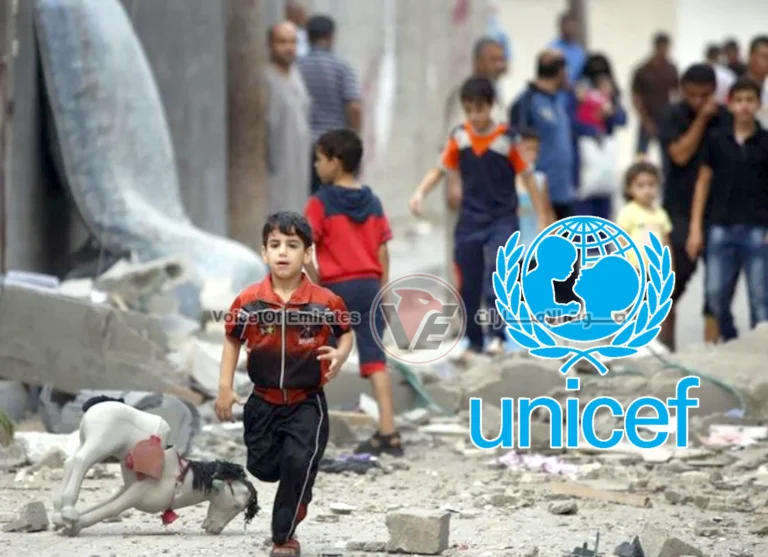
Beirut, Lebanon – UNICEF has expressed grave concern over the rapidly deteriorating situation for children in Lebanon.
The organization confirmed that the casualty rate among children has reached approximately 11 killed or injured every 24 hours,
as a result of the ongoing security and military escalation in several Lebanese regions.
Escalation of violence and clashes
In a statement, UNICEF explained that children are paying a heavy price for the escalating violence and clashes.
It noted that the continued tension is exacerbating the humanitarian crisis and threatening
the future of thousands of families already struggling with difficult economic and living conditions.
UNICEF added that the ongoing attacks have endangered children’s lives and damaged schools, health facilities, and essential infrastructure.
This increases the suffering of families and directly impacts the educational and medical services provided to children.
The UN agency emphasized that the current situation is having serious psychological effects on children,
especially those in areas close to the fighting.
Many live in constant fear and anxiety due to the shelling, explosions, and repeated displacement.
Compliance with international humanitarian law
UNICEF also called on all parties to abide by international humanitarian law and provide full protection for children and civilians.
It demanded an immediate cessation of hostilities and guaranteed safe and rapid humanitarian access to affected areas.
This warning comes amid continued tensions on Lebanon’s southern border and an exchange of fire between the Israeli army and Hezbollah.
This has resulted in casualties and the displacement of large numbers of people,
amid international concerns about a potential escalation of the conflict in the region.
International and humanitarian organizations continue to urge the international community
to intensify humanitarian efforts and support Lebanon in confronting the worsening crisis.
This is especially crucial given the increasing number of affected children, women, and displaced families in recent months.