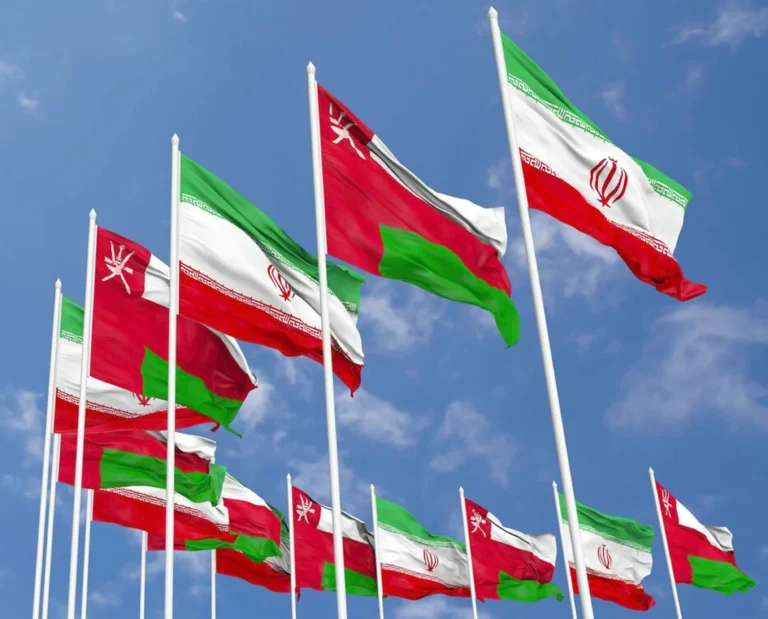
Tehran, Iran – Iranian state television announced that Tehran will manage shipping lanes in cooperation with Oman. This move comes amid escalating security tensions and concerns related to maritime traffic in the region.
Iranian state television stated that the coordination between the two sides
aims to regulate ship traffic and ensure the smooth flow of maritime navigation.
However, it did not disclose further details regarding the nature of the joint mechanism or its geographical scope.
Joint maritime coordination
The report indicated that cooperation between Iran and Oman falls within the framework of existing security and maritime coordination
between the two countries, particularly in vital areas connected to international shipping lanes.
It is worth noting that maritime traffic through these vital waterways plays a pivotal role in regional affairs.
The waters near the Strait of Hormuz are among the world’s most important maritime chokepoints,
through which a significant percentage of oil exports and international trade pass.
This makes any security arrangements there a matter of broad regional and international concern.
The Iranian announcement comes amidst ongoing tensions in the region,
following incidents of attacks targeting ships and reciprocal attacks in recent months.
International warnings regarding maritime security have also intensified.
The importance of the Strait of Hormuz
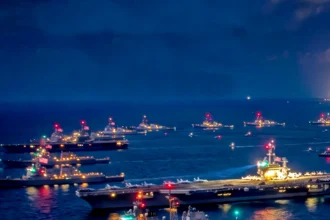
Several countries have bolstered their naval presence in the region to protect shipping lanes.
In contrast, Tehran repeatedly asserts that the security of the Gulf and its maritime routes should be managed by the countries of the region themselves.
The Strait of Hormuz is a vital artery for global trade and energy.
Oil tankers and commercial vessels pass through it daily, connecting the Gulf to international markets.
Observers note that the issue of shipping traffic and its importance reflects the political context of the region.
They believe that any new arrangements for managing maritime traffic in the region could have political and security dimensions.
This comes amidst regional and international competition related to energy security and freedom of navigation.