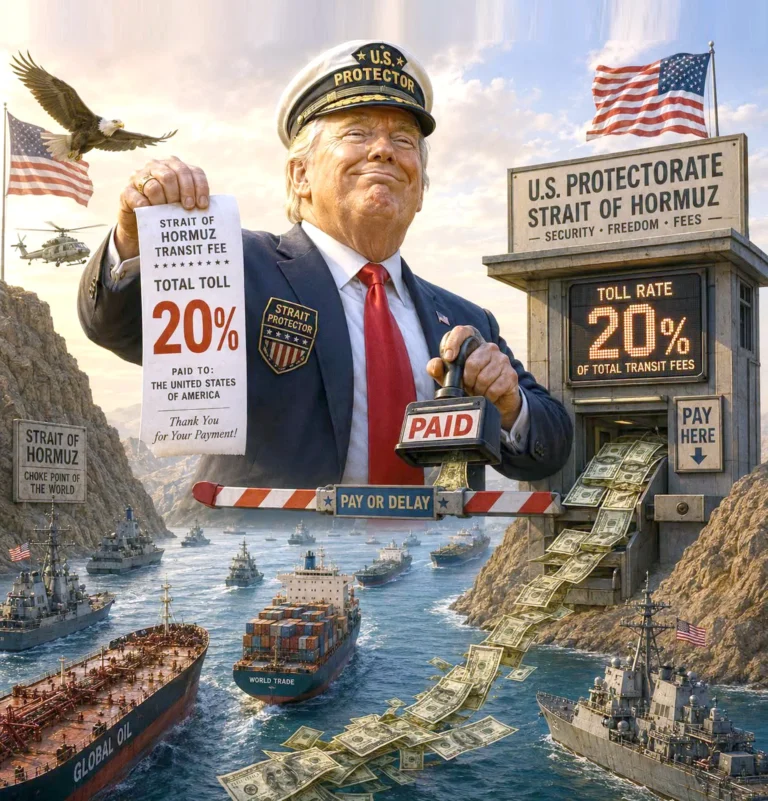
Washington, DC – US President Donald Trump said he has received calls from several countries expressing their desire to invest in the United States instead of paying the tolls imposed on passage through the Strait of Hormuz.
He considered this a reflection of the success of US policy in enhancing the attractiveness of the American economy.
Trump: Investments are an alternative to paying tariffs
Trump explained that various countries had contacted his administration,
informing them that they preferred to direct their investments to the United States rather
than bear the costs associated with ships transiting the Strait of Hormuz.
This was in reference to the measures recently announced by Washington regarding the maritime corridor.
He added that the United States had become a more attractive destination for capital.
He also indicated that a number of governments and companies
were considering increasing their investments within the American market.
US measures regarding the Strait of Hormuz
Trump’s remarks come after a series of decisions announced by Washington in recent days.
These decisions included imposing tariffs on shipping through the Strait of Hormuz,
coinciding with the implementation of US measures to tighten maritime security in the region.
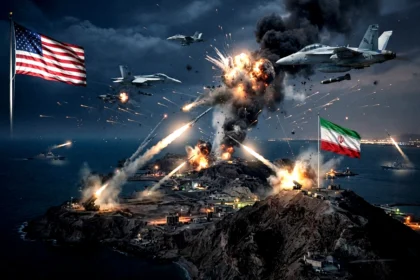
This occurred within the context of the ongoing escalation with Iran.
The US administration says these measures aim to protect maritime security
and ensure the continued flow of international trade.
However, the US steps have provoked mixed international reactions regarding
their impact on global trade and energy markets.
Tensions escalate in the region
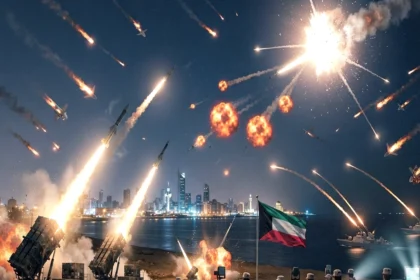
The Gulf region is witnessing escalating tensions following attacks targeting commercial vessels and oil tankers in the Strait of Hormuz.
This comes amid international warnings about the repercussions of
any further escalation on maritime security and global energy supplies.
The United States continues to affirm its commitment to protecting international shipping lanes.
Meanwhile, international actors are calling for de-escalation
and adherence to international law to ensure freedom of navigation and regional stability.