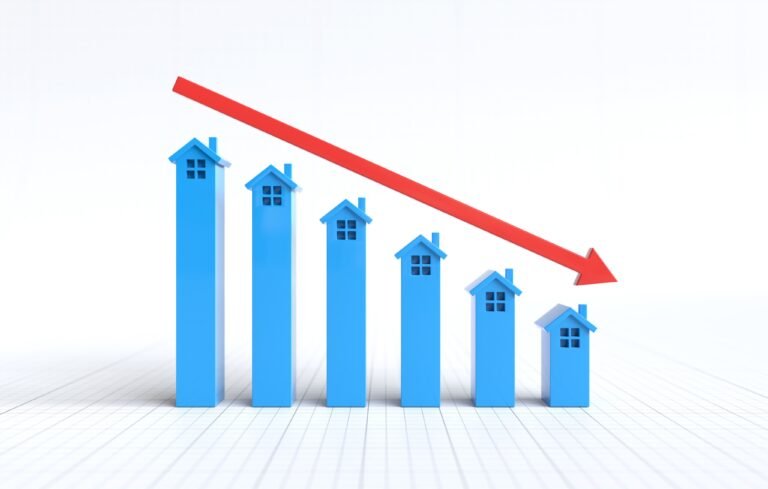
Washington, USA – Facing mounting economic pressures and high mortgage rates, the US housing market presents a divergent picture in 2026. While the market remains robust in most areas, key urban hubs have begun seeing notable price cuts. According to the latest data from “Realtor.com” for April 2026, sellers are increasingly slashing prices to attract hesitant buyers as the market inches toward a better balance.
The National Landscape: Abundant Supply, Weak Demand
Nationally, 16.7% of property listings saw price cuts in April. While this figure remains below last year’s levels, it reflects a tangible shift toward market equilibrium. Jake Creel, Chief Economist at Realtor.com, points to “abundant supply and weak demand” caused by persistently high home prices and borrowing costs as the core driver. Buyers are struggling with an “expectations gap”—sellers want peak pricing, while buyers can’t afford it, eventually forcing sellers to lower their expectations to clear inventory.
| Metro Area | Price Cut Share | Median List Price |
| Phoenix-Mesa-Chandler, AZ | 29.1% | $499,000 |
| Tampa-St. Petersburg-Clearwater, FL | 25.13% | $406,500 |
| San Antonio-New Braunfels, TX | 24.95% | $324,700 |
| Denver-Aurora-Centennial, CO | 24.35% | $587,000 |
| Portland-Hillsboro-Vancouver, OR/WA | 24.04% | $579,750 |
Housing Crisis and Administration Efforts
These figures come as officials continue to warn of an affordability crisis. HUD Secretary Scott Turner has criticized “burdensome regulations” that hinder construction and weigh on buyers, affirming that the Trump administration is striving to cut these red-tape constraints to boost affordable housing supply.
Conclusion: Is a Broader Correction Coming?
Ultimately, as real estate performance varies, the question remains: will these price cuts spread? Experts believe sellers holding out for unrealistic prices will eventually have to align with current economic reality, potentially opening a window of opportunity for long-waiting buyers. 2026 is emerging as a year where the market is “recalibrating,” making it a potentially strategic time for those watching the charts closely to make their move.