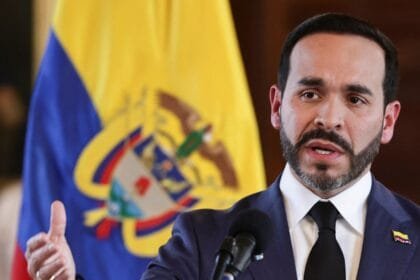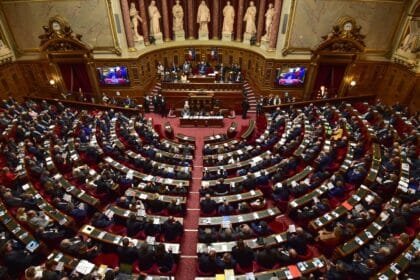
London – British political corridors are experiencing an unprecedented, intense boiling behind the scenes. This tension manifests in the sudden and public outbreak of the Labour party leadership struggle before the global media. Former Health Secretary Wes Streeting announced his absolute readiness to challenge current Prime Minister Keir Starmer. Streeting indicated his preparedness to enter an imminent contest for the leadership of the ruling party and executive power. This bold, escalatory move sparks widespread controversy within British parliamentary circles.
Streeting’s Blueprint and the Desire for Renewal
Streeting emphasized that there is an urgent and pressing need to renew the current British leadership. The former minister sees a necessity to review the government’s economic and social policies. He clarified that he would not hesitate to enter internal elections to ensure administrative efficiency. This blueprint aims to make the government more responsive to the increasing daily demands of citizens. He expressed high confidence in gaining the support of party members and the general public soon.
Streeting’s faction accuses Prime Minister Starmer of slowness in making brave, crucial decisions. The healthcare crisis and the declining efficiency of hospitals have increased public resentment against the government. Streeting attempts to present himself as a young alternative possessing a vital vision to reform the health and economic sectors. Downing Street refuses up to this hour to comment officially on these sudden maneuvers by the former secretary.
Sharp Division Inside the Ruling Camp
Streeting’s remarks triggered a massive wave of heated analysis among members of parliament. Opinions within the Labour Party split between supporters of injecting fresh blood into the leadership and opponents who view the timing as a major threat to internal unity. Historic leaders warn that these divisions weaken the party before the fierce Conservative opposition. Observers indicate that these skirmishes will force Starmer to adjust his political priorities very soon.
The upcoming phase requires significant cohesion to pass difficult legislations inside the British House of Commons. Think tanks believe that the government’s popularity has dropped frighteningly due to tax and immigration files. The emergence of new power centers within the party complicates Starmer’s mission to control his MPs.
Deteriorating Economic Context and the Future of Britain
These stormy shifts come concurrently with the continuation of harsh living pressures on British citizens. The British economy faces the specter of persistent stagflation and underfunding of basic public services. Analysts believe that an official challenge to Starmer will open the door to a fierce, wide-ranging competition. This partisan battle will directly impact the future of both foreign and domestic policies for entire Britain. Monitoring the Labour party leadership struggle remains the hottest and most influential event in London for 2026.