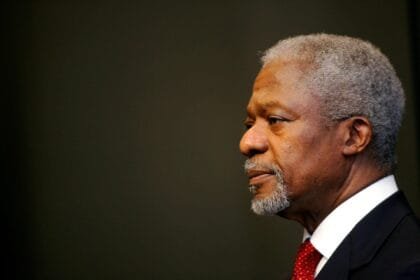
Ottawa – Brand-new blueprints for a novel security strategy adopted by the Canadian government toward political Islam currents are beginning to emerge on the horizon. The expulsion of prominent leader Anas Al-Tikriti has re-focused light on plans for limiting Brotherhood influence Canada in a serious manner. Authorities at Montreal Airport detained Al-Tikriti for eleven full hours before deporting him to the British capital, London. This rigorous step carried political and security implications that extend beyond routine border procedures for visas. The incident opens the door wide to crucial questions regarding the destiny and future of the international organization in North America.
Indicators of Strategic Shift and Cross-Border Coordination
For many years, the Muslim Brotherhood operated inside Canadian cities through a complex network of association and institutional facades. The “Muslim Association of Canada” stands out as the primary arm that was hosting Al-Tikriti to attend a general conference in Toronto. Al-Tikriti is described in intelligence briefings as the head of the Brotherhood’s intelligence across the entire European continent. Furthermore, he is the founder of the “Cordoba Foundation,” which is officially accused of financing networks supporting the Palestinian Hamas movement.
The recent Canadian ban reflects a radical shift in the rigorous security approach of the intelligence apparatus in Ottawa. Investigating organizational links and the previous US visa refusal points clearly to ongoing cross-border security coordination. These joint measures tighten the noose on the movements of first-rank leaders of the international organization. Civil slogans are no longer capable of protecting Brotherhood figures from direct legal prosecution.
Destiny Challenges and Approaching Ban Decisions
This decisive measure opens the door to three fundamental questions outlining the dark future of the group. The first question highlights how close an official decision is to classifying the Brotherhood as a banned terrorist organization. The government faces mounting pressure from parliamentarians and human rights bodies to end traditional official flexibility. The deportation of Al-Tikriti strengthens the position of political factions demanding the freezing of financial assets for all group institutions.
The second track relates to cutting off funding sources and rigorous tax prosecution by the Canada Revenue Agency. Numerous Brotherhood associations faced complex financial auditing on charges of money laundering and sending donations to external entities. Experts anticipate that this control will cause a financial paralysis impacting the organization’s ability to sustain its activities.
Political Isolation and Loss of Pragmatic Cover
For long years, the group attempted to present itself as the sole partner and legitimate representative of Muslim communities to Western governments. Linking its leadership explicitly to terrorism-related anxieties and activities will completely strip it of this pragmatic cover. This transformation will drive official bodies to sever communication channels with them out of fear of violent political repercussions.
The expulsion of Anas Al-Tikriti reveals that the safe environment exploited by the group has begun to narrow and vanish rapidly. Ottawa has come to realize the danger of organizational infiltration under banners of continuous charitable and civil work. The organization faces a blurry future surrounded by intensified legal and security blockades. Monitoring the process of limiting Brotherhood influence Canada remains the primary facet of international security movements in 2026.