Washington – The US Energy Information Administration (EIA) has issued a stern warning regarding the future of global energy markets, asserting that crude oil prices could experience a sharp hike of approximately $20 per barrel if the closure of the Strait of Hormuz continues until late June. This projection stems from the strait’s critical role as the primary artery for global energy flows, where any disruption poses a direct threat to the international supply-demand balance.
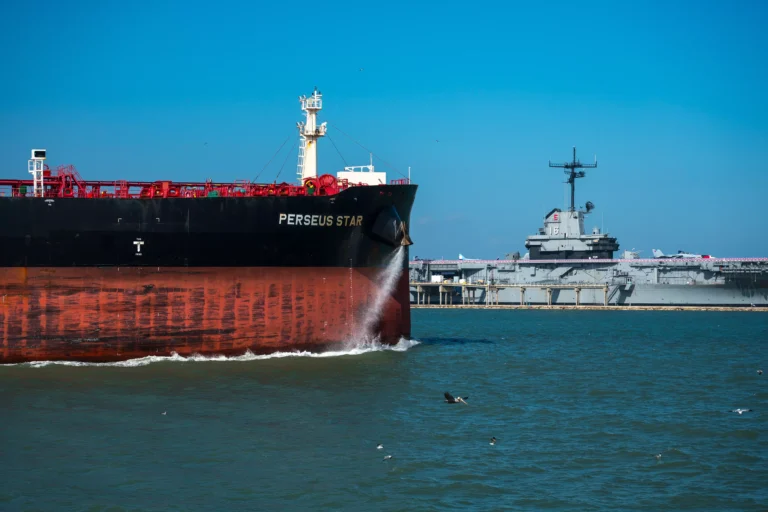
The EIA clarified that the Strait of Hormuz is the central axis for oil and gas market stability, as a significant portion of energy exports from Arabian Gulf countries passes through it. The administration noted that any long-term disruption to navigation would immediately impact prices, driven by supply shortage fears and rising costs for shipping and tanker insurance.
Market Scenarios and Geopolitical Risk Repricing
According to EIA estimates, a continued closure until late June would drive global markets into a “price surge wave” resulting from a broad repricing of geopolitical risks. The administration highlighted that the markets’ extreme sensitivity to maritime disruptions in the Gulf region makes it difficult to contain price spikes without guarantees for the resumption of normal flows.
The report also warned that the anticipated price increase would directly affect inflation rates in energy-importing nations, raising production and transportation costs across multiple economic sectors reliant on oil as a primary energy source. This situation may prompt major nations to bolster their strategic reserves to mitigate the shock of supply disruptions.
Navigational Stability as a Safeguard for Global Economic Security
The EIA emphasized that the stability of navigation in the Strait of Hormuz represents a decisive factor for global economic security, calling for the necessity of avoiding any escalation that impacts energy flow. The administration stressed that global eyes are currently fixed on diplomatic efforts and their ability to contain regional tensions, amid a state of anticipation and caution dominating international oil market participants.