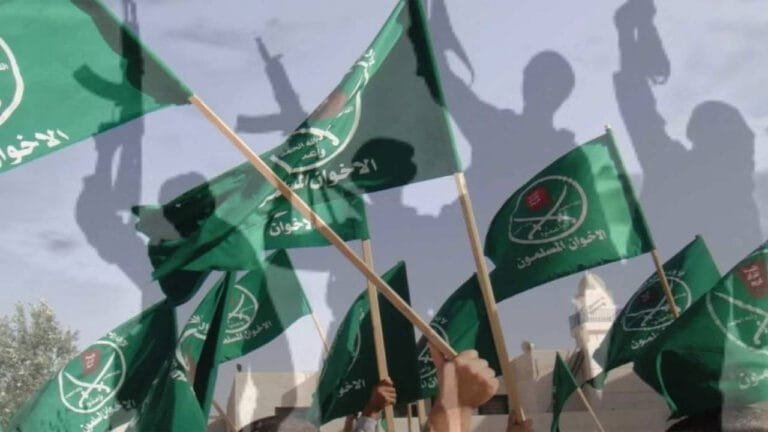
Baghdad, Iraq – The Muslim Brotherhood in Iraq intensifies political and missionary moves today. The group targets rebuilding influence across Sunni national institutions directly. The strategy relies upon establishing political alliances and broad social networks. The group seeks consolidating direct presences inside the Sunni Endowment Office. These steps follow declining electoral roles regarding the Iraqi Islamic Party. Political powers monitor expected outcomes resulting from these provincial moves. This institutional expansion contributes toward repositioning within Sunni political scenes.
Sunni political alliances strengthening the Iraqi Islamic Party’s presence
The Islamic Party no longer relies upon declared organizational identities. The party joined major Sunni political alliances including Azm and Al-Hasm. Party leaders assume senior positions influencing direct decision-making processes. MP Ammar Yousif Al-Samarrai led meetings alongside Sunni Endowment officials. Both parties agreed organizing religious activities and restoring Muadh Mosque. These activities target strengthening social presence across Saladin Governorate. These political alliances grant the party broad operational maneuvering spaces again.
Religious influence struggles inside the Sunni Endowment Office between factions
The Sunni Endowment Office manages mosques and appoints preachers officially. Figures linked alongside the party and Al-Adl Wal-Ihsan reinforced influence. Madkhali movement influence receded across Baghdad, Anbar, and Nineveh mosques. Endowment officials replaced Madkhali preachers using individuals closer toward Brotherhood ideologies. Field struggles escalate between both sides controlling religious pulpits completely. This management shift impacts directing religious discourse toward Sunni audiences.
Missionary and educational networks rebuilding the group’s organizational base
The Al-Adl Wal-Ihsan movement handles rebuilding organizational bases currently. The movement manages specialized offices targeting youth, students, and women. These activities connect religious awareness directly alongside field political operations.