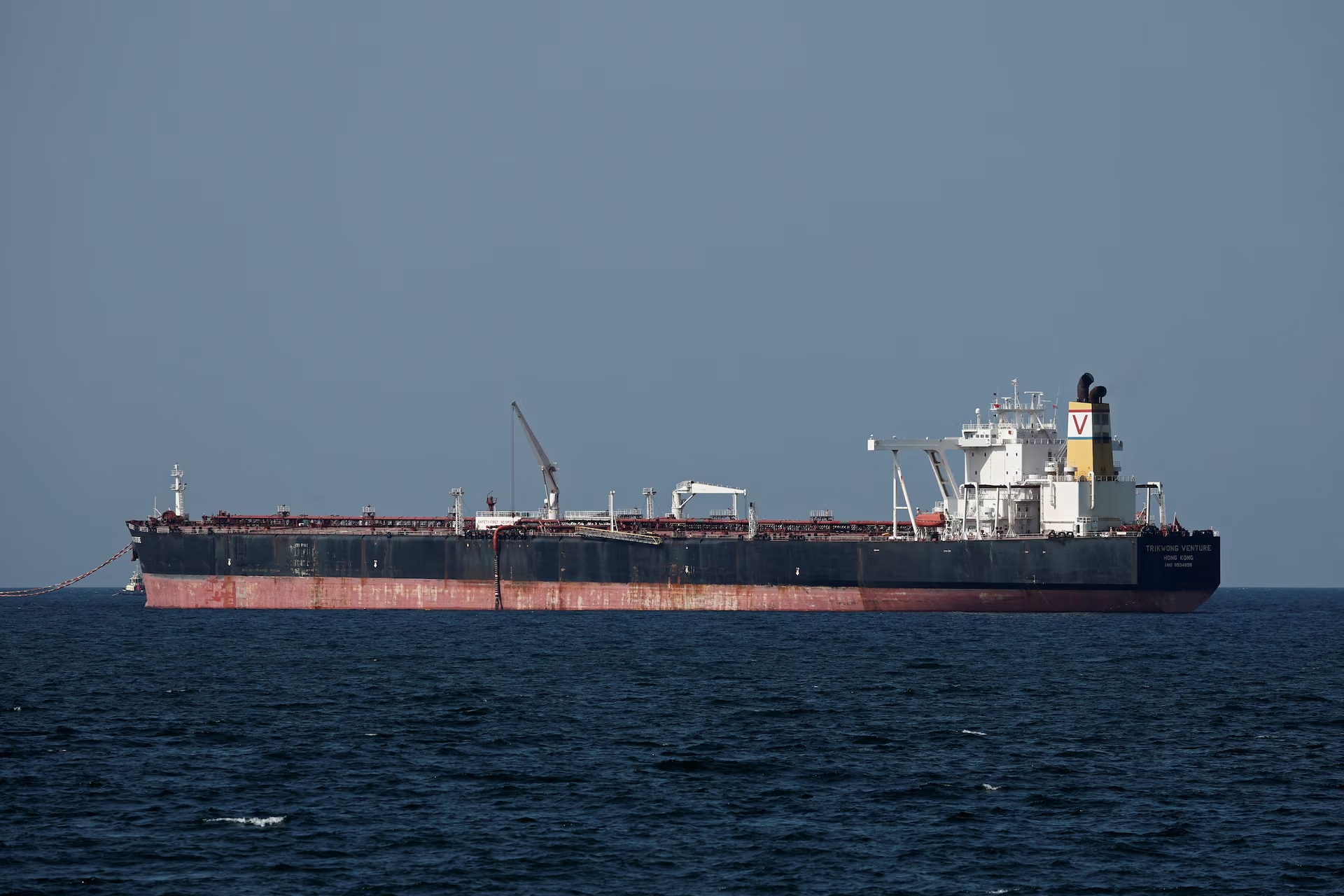
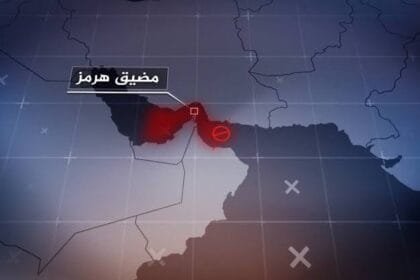
Washington – In a significant operational escalation reflecting the new US stance in the Gulf, the US Central Command (CENTCOM) announced on Saturday the results of its naval operations aimed at isolating Iranian ports. CENTCOM confirmed that since the “Naval Blockade” began on April 13, it has successfully intercepted and diverted 58 commercial vessels, in addition to “neutralizing” and disabling 4 others that attempted to breach the security zone in the Strait of Hormuz.
Economic Pressure as a Negotiating Tool
The blockade, now in its fourth week, serves as a strategic lever for Washington to extract major concessions in ongoing peace talks. Despite a ceasefire agreement signed on March 7, the US initiated naval movements to block trade flows to and from Iranian ports, aiming to force Tehran into compliance with strict US demands and the financial support required for the peace process.
Testing the “Ceasefire” in Gulf Waters
On the ground, the US military revealed the neutralization of two Iranian oil tankers yesterday after they attempted to break the blockade. These incidents occur amidst a fragile security environment, following an exchange of attacks between the two sides in the Strait on May 7. Despite direct military friction, both parties officially maintain that the “Ceasefire Agreement” remains in effect, indicating a mutual desire to avoid full-scale war despite the ongoing maritime “brinkmanship.”
Trump Awaits Tehran’s Message and the Nuclear File
Politically, all eyes are on the White House, where President Donald Trump stated he expects a message from Iran “tonight” regarding US demands. The American vision for the peace deal centers on complex technical terms, including the transfer of Iran’s “Highly Enriched Uranium” (HEU) stockpiles to the United States and the permanent closure of underground nuclear facilities. Observers believe the naval blockade is Washington’s clearest message yet: “Political settlement or total economic asphyxiation.”