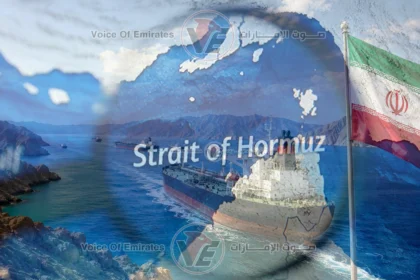
Tel Aviv – A senior Israeli official has revealed that US President Donald Trump gave a clear pledge to Israeli Prime Minister Benjamin Netanyahu not to concede on the issue of Iran’s “Enriched Uranium” stockpiles. This disclosure comes as negotiations between Washington and Tehran continue regarding regional de-escalation and the “Strait of Hormuz” maritime security, amid cautious Israeli monitoring of the diplomatic developments.
Anticipating Collapse and Strategic Restraint
Israeli Channel 13 quoted the official stating that Tel Aviv is not publicly opposing the ongoing negotiations but privately expects their “eventual collapse.” He explained that the Israeli government is intentionally avoiding direct pressure on the White House to prevent being seen as an instigator of military escalation. The official emphasized that the leadership in Tel Aviv is granting President Trump sufficient space to manage the negotiations with Iran according to his own strategy.
Mossad and IDF: IRGC in its Weakest State
Israeli Channel 13 quoted the official stating that Tel Aviv is not publicly opposing the ongoing negotiations but privately expects their “eventual collapse.” He explained that the Israeli government is intentionally avoiding direct pressure on the White House to prevent being seen as an instigator of military escalation. The official emphasized that the leadership in Tel Aviv is granting President Trump sufficient space to manage the negotiations with Iran according to his own strategy.
Mossad and IDF: IRGC in its Weakest State
Simultaneously, Netanyahu held intensive security consultations with the leadership of the IDF and the “Mossad.” According to the report, both military and security institutions adopted hardline stances. The IDF argued that the “Islamic Revolutionary Guard Corps” (IRGC) is currently in a weakened state, necessitating continued military pressure. Meanwhile, the Mossad suggested that sustained military operations would accelerate the regime’s decline and exacerbate internal pressures caused by the economic crisis and security tensions within Iran.