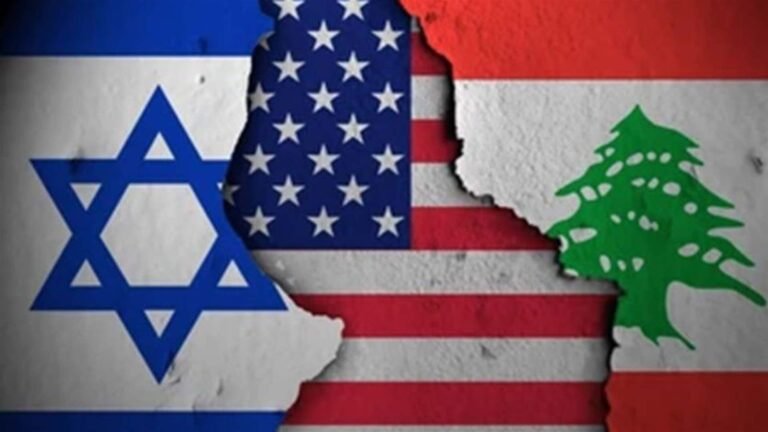
Washington – In a rapid diplomatic move reflecting Washington’s desire to close active conflict fronts, the US State Department announced it will host an intensive round of talks between the Lebanese and Israeli governments on May 14-15. Through this step, the US administration aims to transition from a fragile field de-escalation to a comprehensive and lasting peace agreement that secures shared borders and ends the ongoing war of attrition.
Washington’s Pressure and the New Political Reality
This round comes following immense pressure exerted by Washington on both sides. Despite ongoing Israeli military operations targeting Hezbollah sites, the Trump administration believes a golden opportunity exists to impose a new political reality. The current administration is betting on its influence to bring the conflicting parties together and secure a formula that ensures border security, building on preliminary successes in breaking the deadlock by gathering ambassadors for direct meetings.
Rubio’s Stance: Lebanese Sovereignty as a Core Requirement
US Secretary of State Marco Rubio outlined the American vision for this dialogue, asserting that “peace is possible.” However, he made it conditional on the Lebanese government possessing the genuine will to confront armed influence outside state control. Rubio believes that the restoration of Lebanon’s full sovereignty is the only guarantee for the sustainability of any future peace agreement, noting that Washington’s role will be to support legitimate institutions in Beirut.
Challenges of the Political Path and Diplomatic Testing
Observers believe that mid-May will serve as a true test of American diplomacy’s ability to maneuver between stringent Israeli security demands and Lebanon’s complicated internal situation. The question remains regarding the Lebanese government’s capacity to provide practical commitments given the current military balances, and whether on-ground forces will accept the outcomes of the upcoming “Washington Table.”