Washington, DC – Recent outbreaks of COVID-19 on cruise ships have once again highlighted the health risks facing the cruise industry, which has been experiencing a strong recovery from the pandemic.
Within a single week, health authorities reported two separate and concerning outbreaks in two different maritime environments. This has raised serious questions about the safety of passengers in enclosed spaces.
Norovirus hits Caribbean Princess
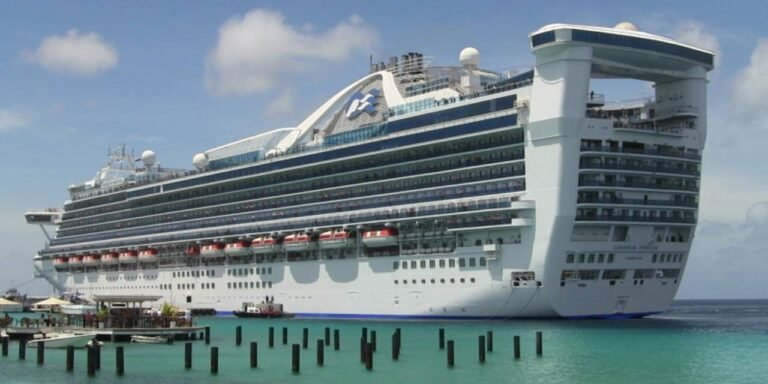
The U.S. Centers for Disease Control and Prevention (CDC) announced on May 10 that 115 people on board the giant cruise ship Caribbean Princess had been infected with norovirus.
The ship, carrying approximately 4,000 passengers and crew, experienced a rapid spread of symptoms including severe vomiting and diarrhea.
Upon identifying the cases, the operating company isolated those affected and conducted an emergency and thorough disinfection of all ship facilities. The ship is scheduled to return tomorrow to Port Canaveral in Florida for a comprehensive epidemiological investigation of the passengers.
Hantavirus tragedy in the Atlantic
In a more serious incident, a tragedy is unfolding aboard the Dutch exploration vessel MV Hondus in the Atlantic Ocean. An outbreak of the Hantavirus has infected eight people so far, resulting in three deaths.
What alarms experts is the identification of the strain as the Andes virus, a rare and deadly strain capable of direct human-to-human transmission. This relatively small vessel carries 170 passengers, making the infection and mortality rate high and a cause for global concern.
fertile environments for infection
Health experts confirm that high population density, shared facilities, and enclosed living environments make these “floating hotels” exceptionally vulnerable to infectious diseases, ranging from norovirus and COVID-19 to Legionnaires’ disease and hantavirus.
Despite being marketed as luxurious retreats, these voyages reveal a grim reality regarding biosafety, particularly on expeditions and Antarctic cruises. These voyages have recently seen a surge in passenger numbers. As investigations continue, the biggest challenge for cruise lines remains how to balance luxury with rigorous health controls to prevent the oceans from becoming conduits for disease outbreaks.