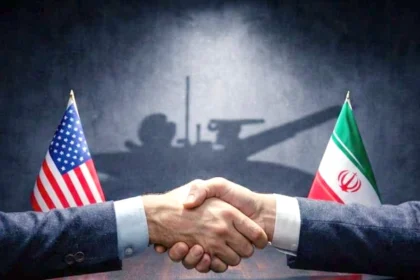
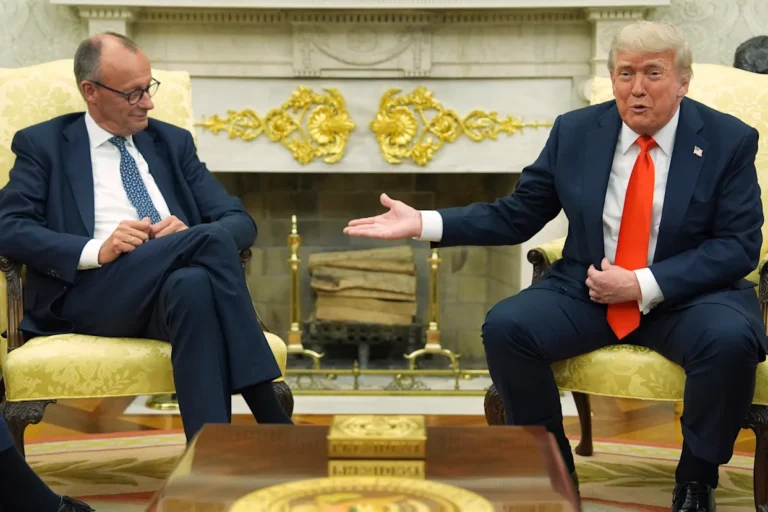
Washington/Berlin – Diplomatic tensions between Washington and Berlin have flared up following a sharp attack by US President Donald Trump on German Chancellor Friedrich Merz. Trump’s reaction came in response to Merz’s comments describing the US stance on Iran as a “humiliation” for the United States. In a stern tone, Trump asserted that the German Chancellor “does not know what he is talking about” regarding this complex file, clearly signaling Washington’s rejection of any European assessment that undermines its military strategy toward Tehran.
“A Trap with No Exit”: Merz Warns of Repeating Iraq and Afghanistan Scenarios in Iran
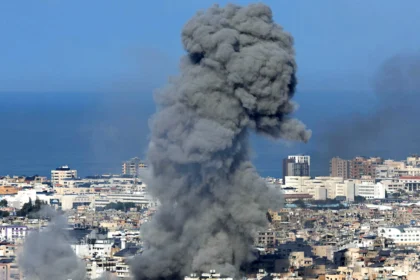
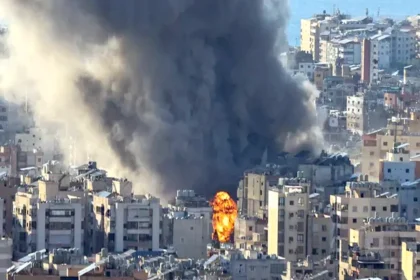
The crisis began with remarks made by Merz during a school visit in Marsberg, where he harshly criticized the lack of strategic vision within the Trump administration. Merz argued that Washington drifted into a military conflict without a clear “exit strategy,” noting that the Iranians are masters of maneuver and negotiation, which led to the failure of previous attempts to reach tangible results. Obviously, Germany fears its American ally is becoming embroiled in an “ill-considered war” reminiscent of failed experiences in Iraq and Afghanistan, potentially further complicating an already crumbling international landscape.
Securing Hormuz Against Escalation: Will Europe Decouple from the US Train?
Merz emphasized Germany and Europe’s desire to end the war immediately to avoid a global economic catastrophe, noting that Berlin is working within an alliance with Britain and France to secure navigation in the Strait of Hormuz away from open escalation. Accordingly, analysts believe these verbal clashes reflect a deep divide within the allied camp; while Trump bets on a policy of force, Germany demands a clear political plan to end the fighting. Amid this tension, the question remains whether the “Western Alliance” can withstand the Iranian challenge given the lack of consensus between the White House and the German Chancellery.