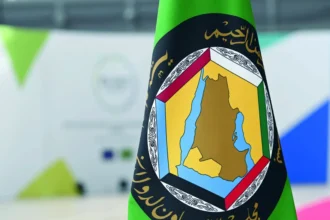
Jeddah – During their 19th Consultative Meeting chaired by Crown Prince Mohammed bin Salman, GCC leaders issued “fiery” and decisive political and military messages regarding recent regional escalations. The leaders strongly condemned Iranian attacks targeting civilian facilities in GCC countries and Jordan, asserting that these strikes have caused a “collapse of trust” with Tehran. Obviously, Gulf nations have decided to shift from a phase of de-escalation to “Maximum Readiness,” emphasizing that regional security is indivisible and that the response to any threat will be collective and firm under international law.
“Forbidden Skies”: How Gulf Defenses Neutralized Iranian Drones?
Leaders praised the high combat efficiency shown by Gulf Armed Forces in intercepting waves of ballistic missiles and UAVs. It is clear that there is an immediate directive to accelerate the completion of a “Unified Early Warning System” to counter future aerial threats. As a result, the summit emphasized the right to self-defense (individually and collectively), viewing Gulf military capabilities as an impenetrable “protective shield.” They also categorically rejected Iranian attempts to impose fees or close the Strait of Hormuz, demanding a return to maritime conditions as they were before last February’s crisis.
“Energy and Food Security”: Urgent Strategic Projects to Face Emergencies
Alongside the security file, leaders issued “urgent execution” directives to fast-track projects ensuring the independence of the Gulf economy, primarily the Unified Gulf Railway and cross-border oil and gas pipelines. Accordingly, it was decided to immediately begin establishing a “Gulf Strategic Reserve” for commodities and fuel to ensure supply chain stability during regional disruptions. In light of these decisions, analysts believe the 2026 Jeddah Summit has drawn a roadmap for a “Stronger Gulf,” relying on full military and economic integration as a bulwark against external ambitions.