Tehran, Iran – Shipping reports and data from the Anadolu Agency indicate a significant decline in commercial shipping traffic through the Strait of Hormuz over the past 24 hours. This slowdown is a direct reflection of the prevailing uncertainty and anxiety in global markets, stemming from the stalled diplomatic talks between the United States and Iran.
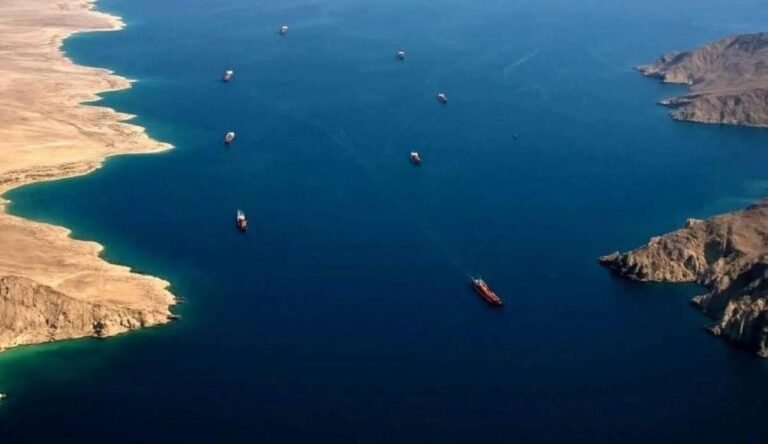
According to monitoring of maritime traffic in the world’s most important energy trade route, only 10 ships transited during the last day; reports recorded six ships passing from the Arabian Gulf towards the Gulf of Oman (outbound). Conversely, only four ships passed in the opposite direction, from east to west (inbound).
The connection between the field and the negotiating table
Shipping experts attribute this sharp decline in cargo traffic to the stalemate in the ongoing negotiations in Islamabad. With talks between Washington and Tehran stalled without tangible progress on maritime security guarantees, global insurance and shipping companies have become increasingly concerned about venturing into the region. This has prompted many tankers to take alternative routes or wait in safer areas until the political situation becomes clearer.
Economic pressure and shipping costs
This decrease in the number of transiting ships is a serious indicator of the extent of the mutual economic pressures; while Washington attempts to impose a new security reality through the naval blockade, Tehran finds itself facing the challenge of restoring confidence in the waterway, which represents its vital oil lifeline.
Data indicates that if shipping traffic remains at these low levels, shipping and insurance costs will inevitably rise. This could, in turn, impact global energy and commodity prices if the political deadlock persists. With no signs of an imminent breakthrough in US-Iranian talks, the Strait of Hormuz remains an arena for the exchange of pressure tactics between the two sides.