Washington, DC – A decision by a US state to use the term “Judea and Samaria” to refer to the West Bank has sparked widespread political and media controversy.
This comes amid the sensitivity surrounding terminology related to the Israeli-Palestinian conflict,
which carries complex historical, religious, and political dimensions.
Arab rejection and criticism
According to media reports, the move was part of a political trend within the state aimed at adopting terminology that aligns with the Israeli narrative.
However, this step was met with rejection and criticism from Palestinian and Arab parties.
These parties considered this change a clear bias and an attempt to rewrite the geographical and historical reality of the region.
For its part, Hamas strongly condemned the decision, describing the adoption of
this term as a “falsification of history and an erasure of Palestinian identity.”
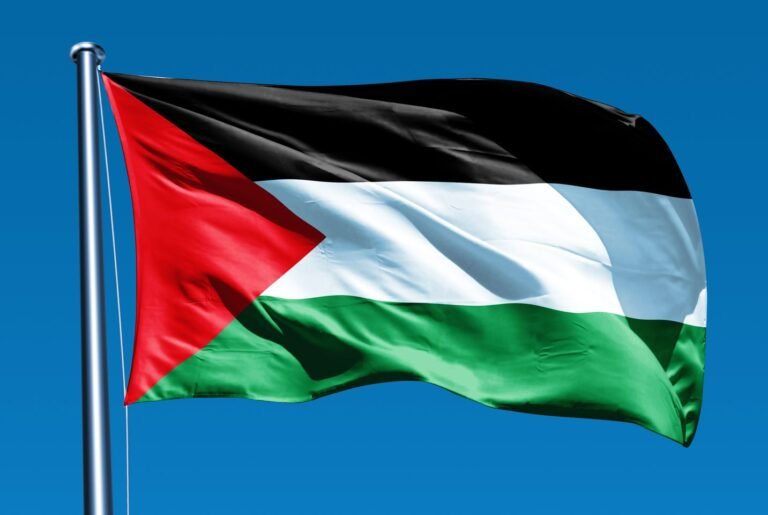
It affirmed that the West Bank is occupied Palestinian territory according to international resolutions.
It also stressed that its name cannot be changed by unilateral decisions that do not reflect international legitimacy.
Historical and religious beliefs
Observers believe this move could deepen political polarization, especially given the ongoing tensions in the Palestinian territories.
International pressure related to the settlement issue and the future of the two-state solution is also mounting.
Conversely, supporters of the decision within the US state defended it as an expression of “historical and religious convictions.”
They pointed out that the use of the term “Judea and Samaria” has ancient roots in Jewish literature.
This opens the door to a broader debate about the use of terminology
in political discourse and its impact on the course of the conflict.
This development comes at a time when the international arena is witnessing
increasing discussions about the status of the Palestinian territories.
This is amidst repeated calls to adhere to international resolutions
and avoid steps that could inflame tensions or undermine the chances of a political settlement.