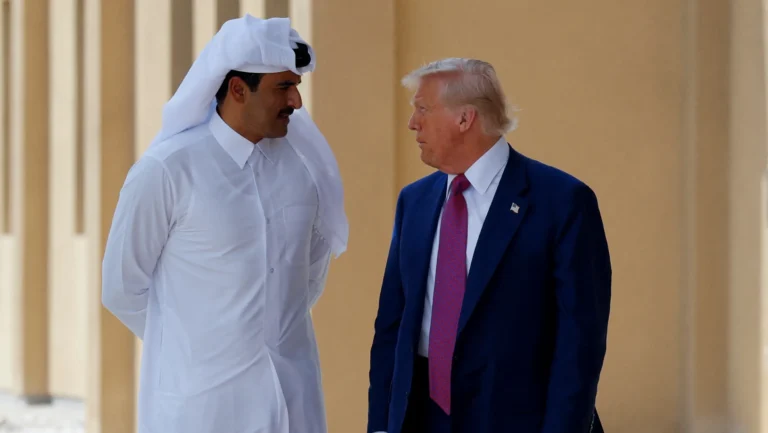
Doha – Recent hours witnessed significant talks between Sheikh Tamim bin Hamad Al Thani, Emir of the State of Qatar, and US President Donald Trump, addressing regional developments and efforts to reach a truce with Iran. The discussions focused on ways to reduce escalation and open diplomatic communication channels to avoid widening the scope of confrontation in the region. Accordingly, Qatari mediation efforts between Washington and Tehran 2026 represent a fundamental pillar in current international movements, as both sides emphasized the importance of the Qatari role in bringing different parties’ viewpoints closer to prevent sliding into an open clash.
Security of Navigation Lanes: How are Both Sides Planning to Protect Energy Trade?
The talks extensively touched upon international navigation security, particularly in the Strait of Hormuz and other vital waterways. Both sides stressed the necessity of ensuring freedom of global trade and protecting energy supplies from any threats resulting from military tensions. Obviously, there is high-level Qatari-US coordination to ensure international markets are not affected by any field escalation. As a result, observers believe the current diplomatic move aims to create an economic and political “safety net” that ensures regional stability amid complex regional dynamics.
Coordination with International Partners: The “Permanent Truce” Strategy
Sheikh Tamim bin Hamad Al Thani and President Trump emphasized the importance of joint work with international partners to ensure sustainable de-escalation. Certainly, continued political efforts remain the primary option to avoid direct confrontations that could harm all parties’ interests. Accordingly, Qatari mediation efforts between Washington and Tehran 2026 remain the most prominent diplomatic channel the international community currently relies on, amid hopes for a real breakthrough in outstanding dispute files to ensure lasting security in the Arabian Gulf.